The Cairngorms: Big Country, Bad Weather, and Why That's the Point.

The Cairngorms are often sold as if they were some morally improving outdoor showroom.
A place of clean air, clean fun, tidy trails, smiling families in expensive waterproofs, and campervans angled prettily beside lochs under skies that have been suspiciously edited for brightness. A wholesome kingdom of mountain bikes, hot chocolate, and responsible adventure. A region where every pine tree stands heroically to attention and every hill walk concludes with rosy cheeks, heartfelt gratitude, and maybe a flapjack.
This is nonsense.
Or rather, it is only true in the most superficial way. The way a postcard is true. The way a real estate brochure is true. The Cairngorms are not soft, not neat, and not particularly interested in your curated outdoor lifestyle. They are one of the best parts of Scotland because they still feel large enough to dwarf you, exposed enough to unsettle you, and indifferent enough to remind you that landscape is not here to flatter your weekend plans.
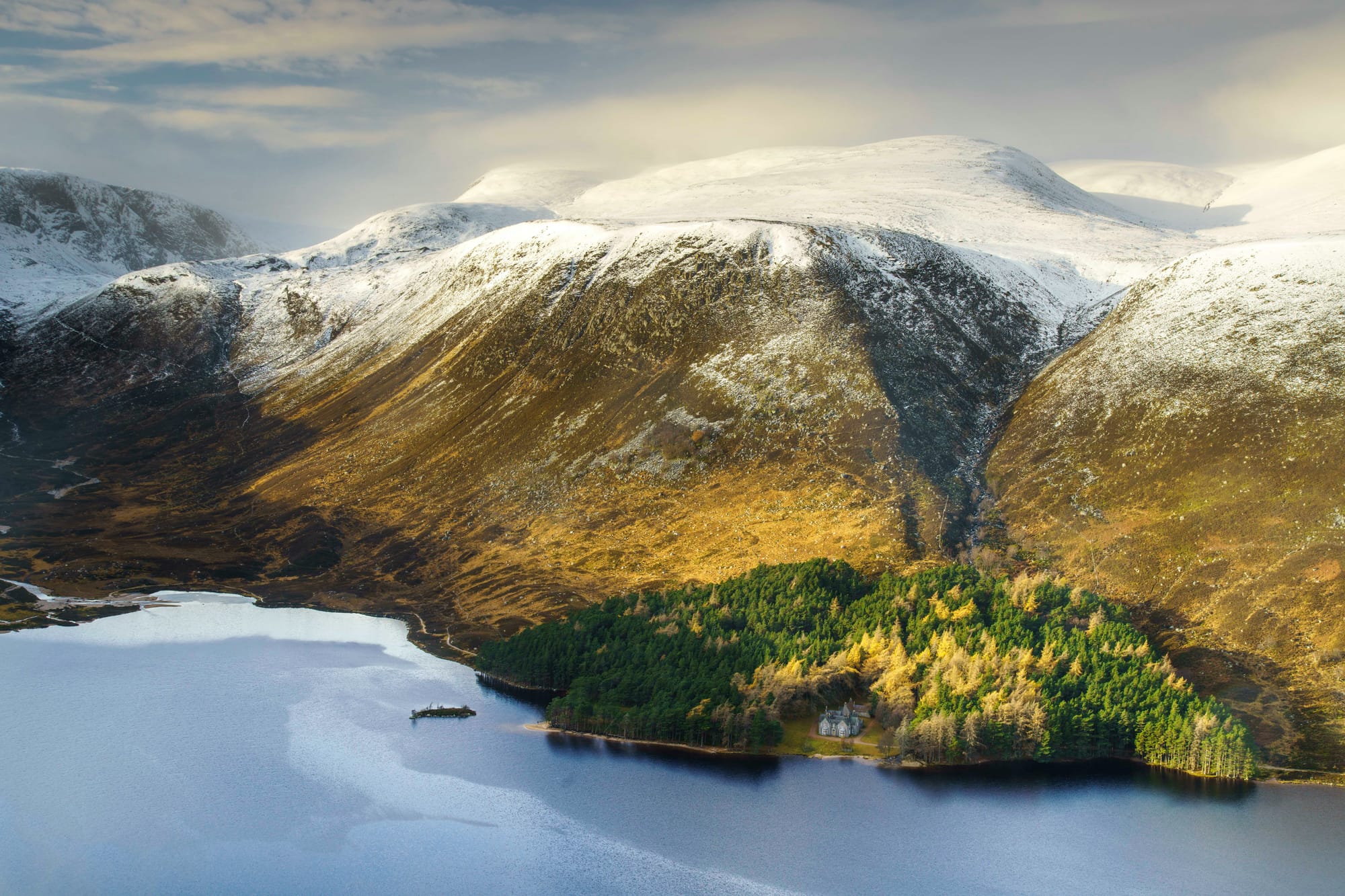
This is big country. Plateau country. Pine forest, river, and long-road country. A place where the weather can shift from generous to vindictive in less time than it takes to unzip a rucksack. A place where the towns, useful and strange in different measures, cling to the edges of something older and harsher than themselves. A place where outdoor culture collides with local life, chalet-style tourism, wet dogs, expensive coffee, old pubs, ski-shop practicality, and the very real fact that if you wander onto the hills with a fantasy in your head and not much sense in your bag, the land will correct you.
That is what makes the Cairngorms worth visiting.
Not because they are beautiful, though they are. Beauty is too easy a word. Too forgiving. The Cairngorms are worth visiting because they have size, weather, distance, stone, peat, silence, and enough roughness left in them to feel like a place rather than a product. The roads matter here. The forests matter. The sudden flattening out of the world above the tree line matters. So do the towns. Aviemore with its over-caffeinated adventure-town energy. Carrbridge with its odd little pockets of texture and old Highland stubbornness. Kingussie, quieter and more grounded, carrying itself with less performance and more depth.
The hills are the real event, yes. But the Cairngorms are not just summits. They are also wet boots in a drying room. Smoke in cold air. A roadside stop before another stretch of tarmac through pine forest. A tent pitched well or badly. A river moving black beneath low cloud. A landscape that can feel generous in one hour and completely disinterested in your comfort in the next.
Which is exactly why it stays with you.
What the Cairngorms actually are
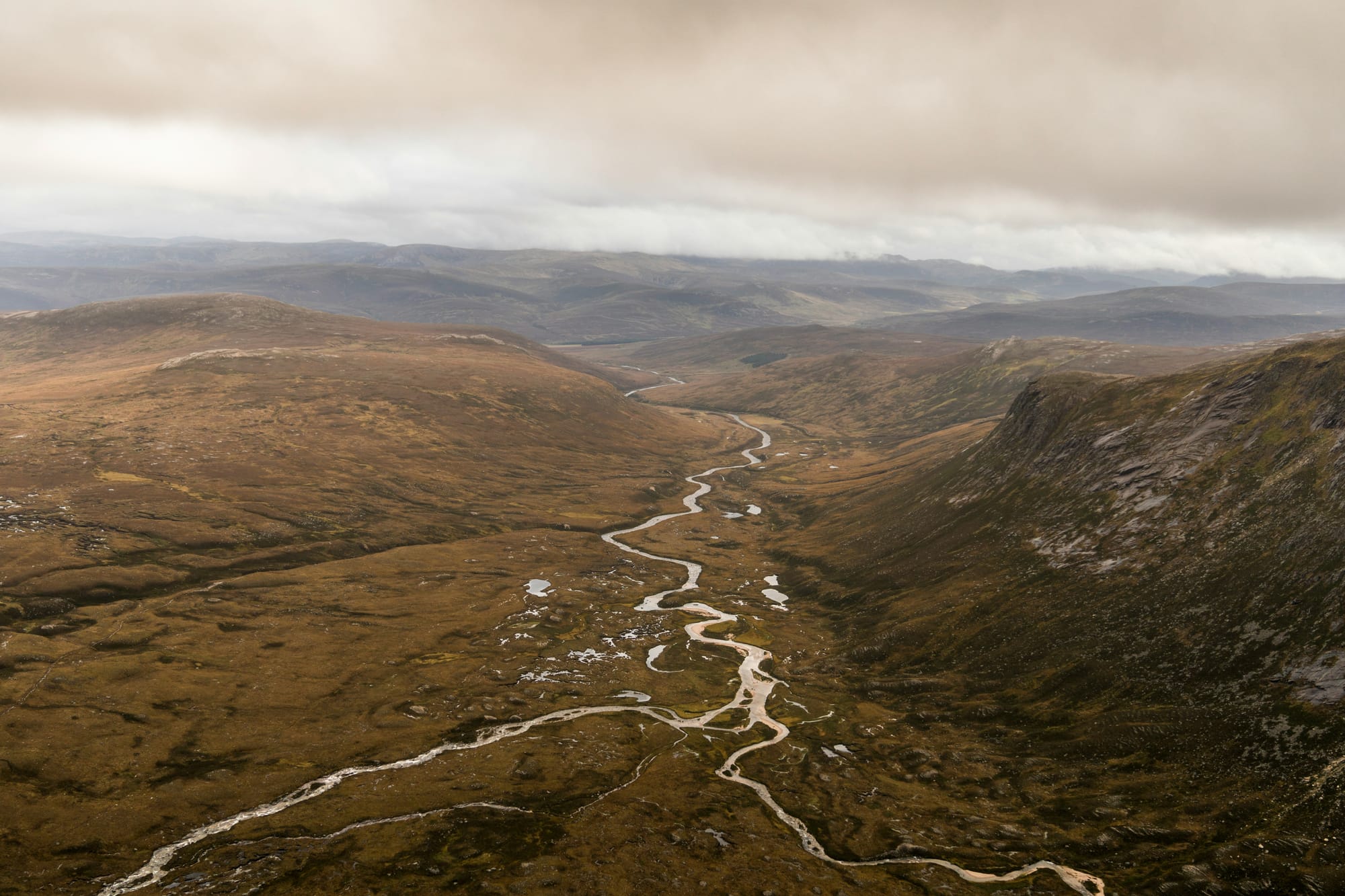
The first thing to understand about the Cairngorms is scale.
Not theatrical scale. Not the sort that announces itself in one dramatic flourish and then politely poses for photographs. The scale here is slower and more serious. It creeps up on you. In the long miles of forest. In the broad river valleys. In the roads that seem to run forever between settlements. In the way the mountains don’t always rise in neat picturesque spikes, but in mass. In shoulders. In long ascents to high, exposed country where the world opens out and then seems to flatten into weather and stone.
This is one of the largest areas of wild land in Britain, and it feels like it. The Cairngorm mountains are not there to provide a pretty skyline for your accommodation listing. They dominate the region physically and psychologically. Even when you are down in the towns, under the pines, crossing a bridge, ordering a drink, they are there in the background like a fact no one can argue with.
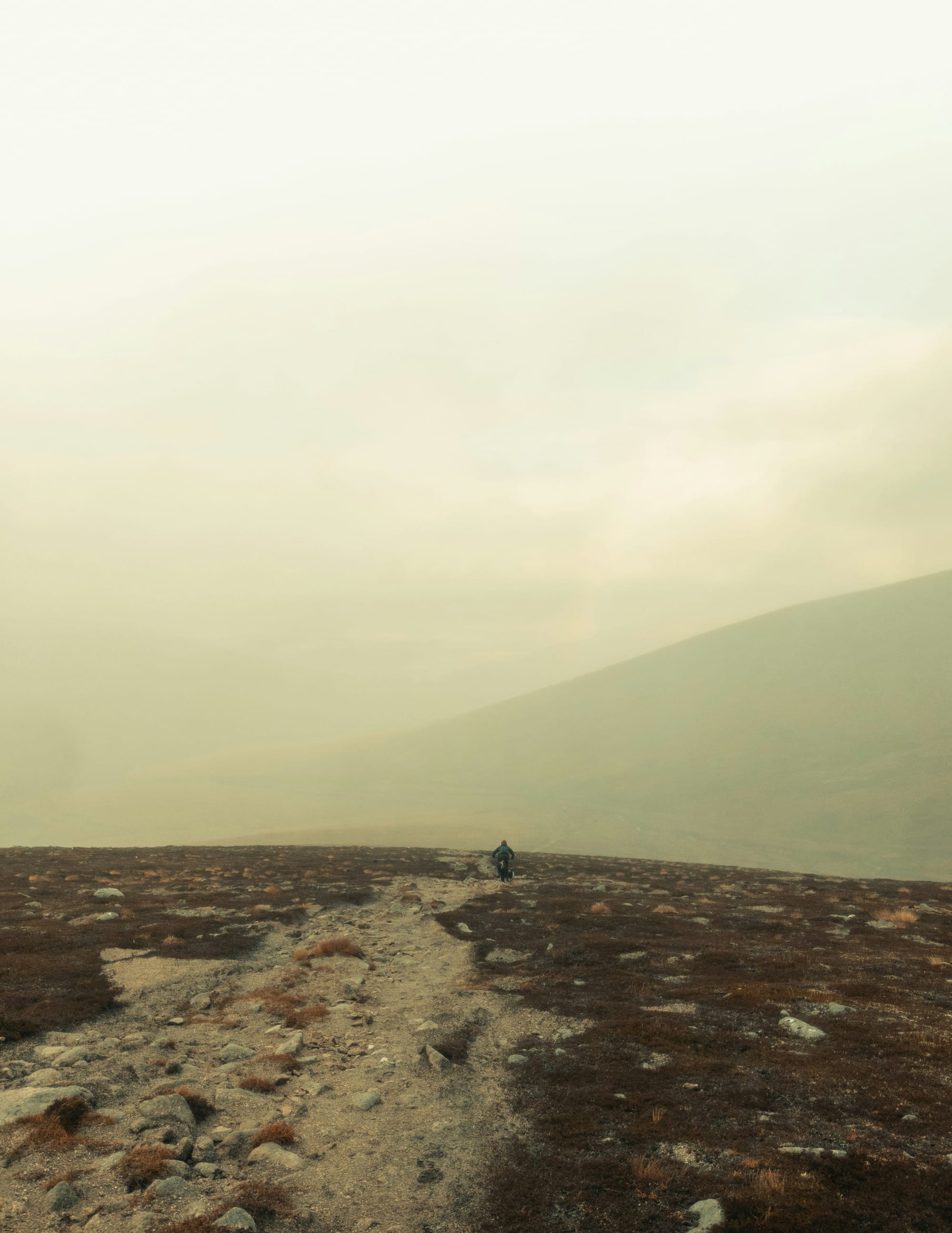
And unlike the Highlands of calendars and shortbread tins, the Cairngorms can feel austere. Bleak, even. The plateau has a reputation for a reason. Once you’re up high, the romance drains out quickly. What remains is wind, distance, rock, bog, snow in season, and the old mountain truth that this is not a place to get casual. The conditions shape everything. A good day opens the country up in all directions. A bad one turns it into a grey-white lesson in humility.
Then there are the forests. Great stretches of Caledonian pine and commercial woodland, dark in places, resinous, quiet in a way that can feel either comforting or vaguely ominous depending on the light. The rivers too. The Spey cutting through this whole region with its cold authority, the Dee farther east, all of it feeding the sense that this is not one simple landscape but a collection of overlapping moods.
You drive through the Cairngorms and understand quickly that the roads are part of the experience. Long roads. Roads through pine and heather and glen. Roads that invite a kind of concentration city people often mistake for boredom. But in places like this, the space between things matters. The approach matters. You don’t just arrive in the Cairngorms. You move through them.
And that movement is what gives the region its power.
Aviemore, where the wild country puts on a fleece and sells you coffee
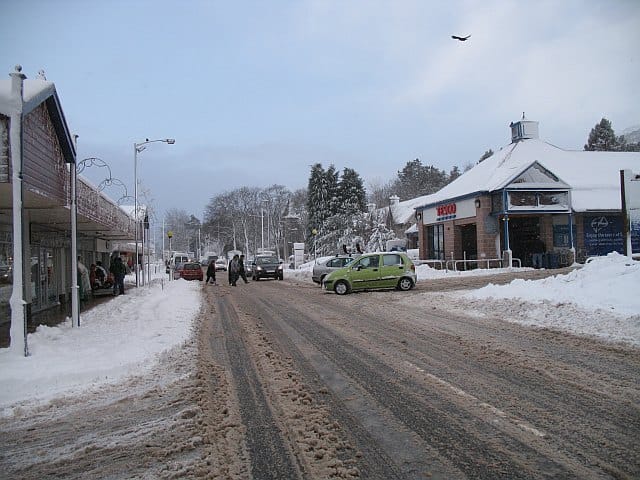
Aviemore is useful.
Start there.
It is useful in the way major trailheads are useful. In the way ski towns are useful. In the way places become useful when enough people have realised that this is where the roads, beds, boots, bikes, hire shops, supermarkets, cafés, pubs, buses, and ambitions all bunch together before spilling into the surrounding landscape. Aviemore is the outdoor hub of the Cairngorms, and it knows it.
That self-awareness is both its strength and, occasionally, its problem.
Because Aviemore can feel a bit overdone. A bit too ready with its identity. Too much of the region’s outdoor commerce collects here for it not to. There is a faint whiff of lifestyle branding in the air. You can feel the machinery of adventure humming in the background. Jackets. Gear. Activity centres. People heading out very purposefully to do healthy things in expensive fabrics. It can all feel a little polished for a region whose real charm lies in weather, friction, and land that remains gloriously unimpressed by marketing.
And yet.
You need places like Aviemore. The town works because it does the practical stuff well. It gives people a base. It gets them onto the hills and into the forests. It provides warmth, food, supplies, and places to dry out and recover while pretending, for an hour or two, that the knees are fine and the waterproofs held up better than they did. So have a pint of Cairngorm Gold. Get a steak pie from Harry Gow. Grab a flat white from The Coffee Pot and stand there in your damp layers feeling vaguely restored. That is what Aviemore is for. It is where the Cairngorms become accessible without becoming entirely domesticated.
The town itself has never been what you’d call beautiful. That’s not why you come. It is a place of movement, not contemplation. A place for sorting yourself out before and after the real event. But it has energy. And because the mountains are so close, because the forests hem it in, because the weather can turn the whole place from briskly functional to properly atmospheric in about twenty minutes, Aviemore earns its role.
You may not fall in love with it. That’s fine. It is not asking for that. It is asking whether you need boots, food, a room, and a decent launch point into one of the best landscapes in Scotland.
The answer, usually, is yes.
Carrbridge, worth a stop.
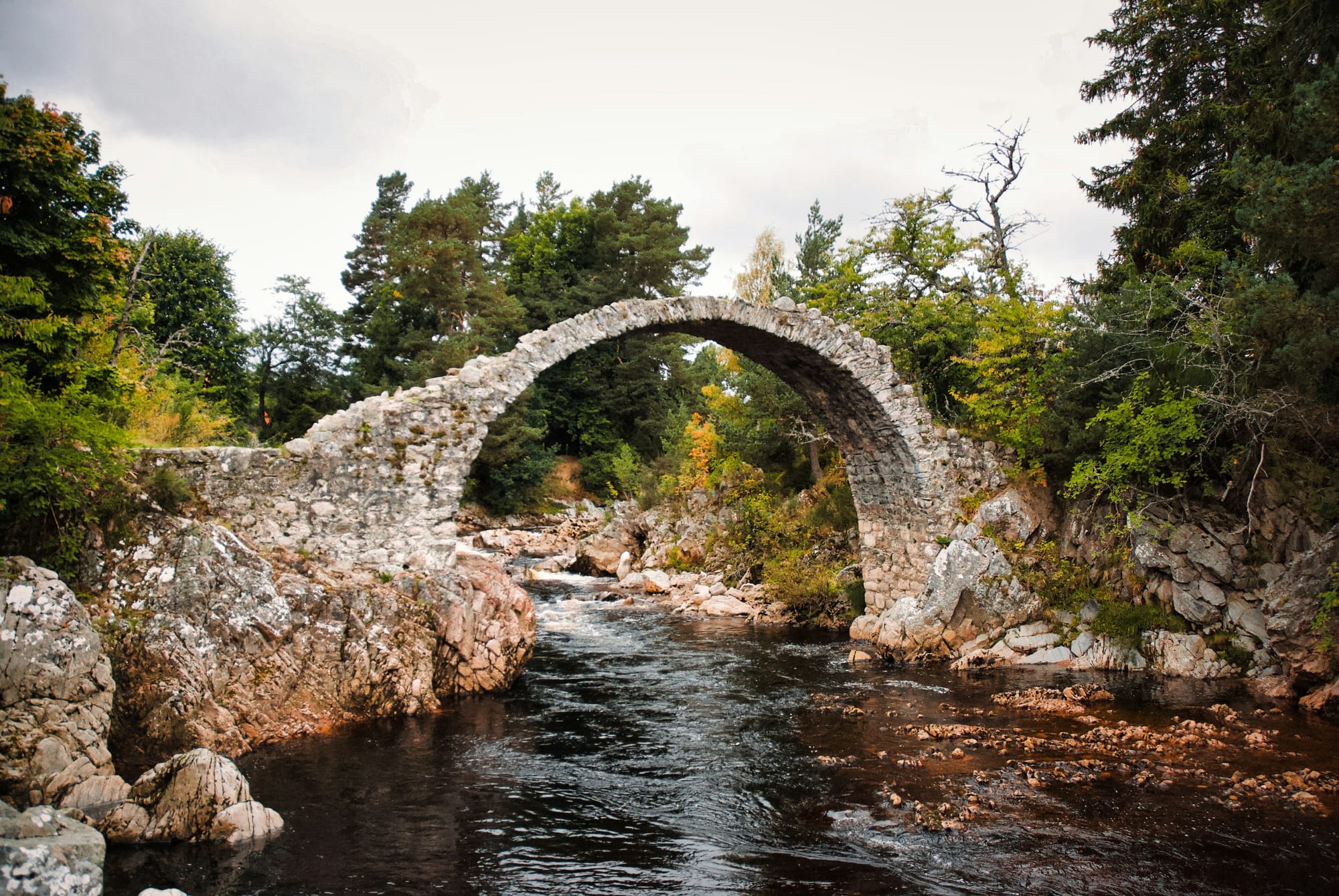
Carrbridge is the kind of place you could drive through too quickly and completely fail to understand.
A mistake.
Because at first glance it is small to the point of modesty. A village rather than a grand statement. A place that can seem almost incidental if your eye is trained only for spectacle. But places like Carrbridge often reward a slower look. They have texture where larger, more performative destinations have surface.
Set among forest and river, Carrbridge has a kind of old Highland awkwardness to it that I like. The famous old bridge helps, obviously. A structure that looks less like a civic attraction than something left behind by a harder age, half practical, half improbable. It gives the place shape and memory. So does the surrounding woodland, the sense of being slightly tucked into the land rather than spread confidently across it.
Carrbridge is not trying to be an outdoor capital. It is not trying to sell you a lifestyle. It just sits there with its own scale, its own history, its own strangeness, and lets the region move around it. That makes it more interesting than many bigger places. You can feel the older grain of Highland life here more clearly. Less curated. Less caffeinated. Less eager to explain itself.
It also benefits from the fact that the Cairngorms are at their most persuasive when the settlements remain slightly overshadowed by the country around them. Carrbridge feels that way. Like a foothold rather than a claim. A village that knows the forest and the weather are still the bigger story.
Kingussie, where the whole thing gets quieter and more serious
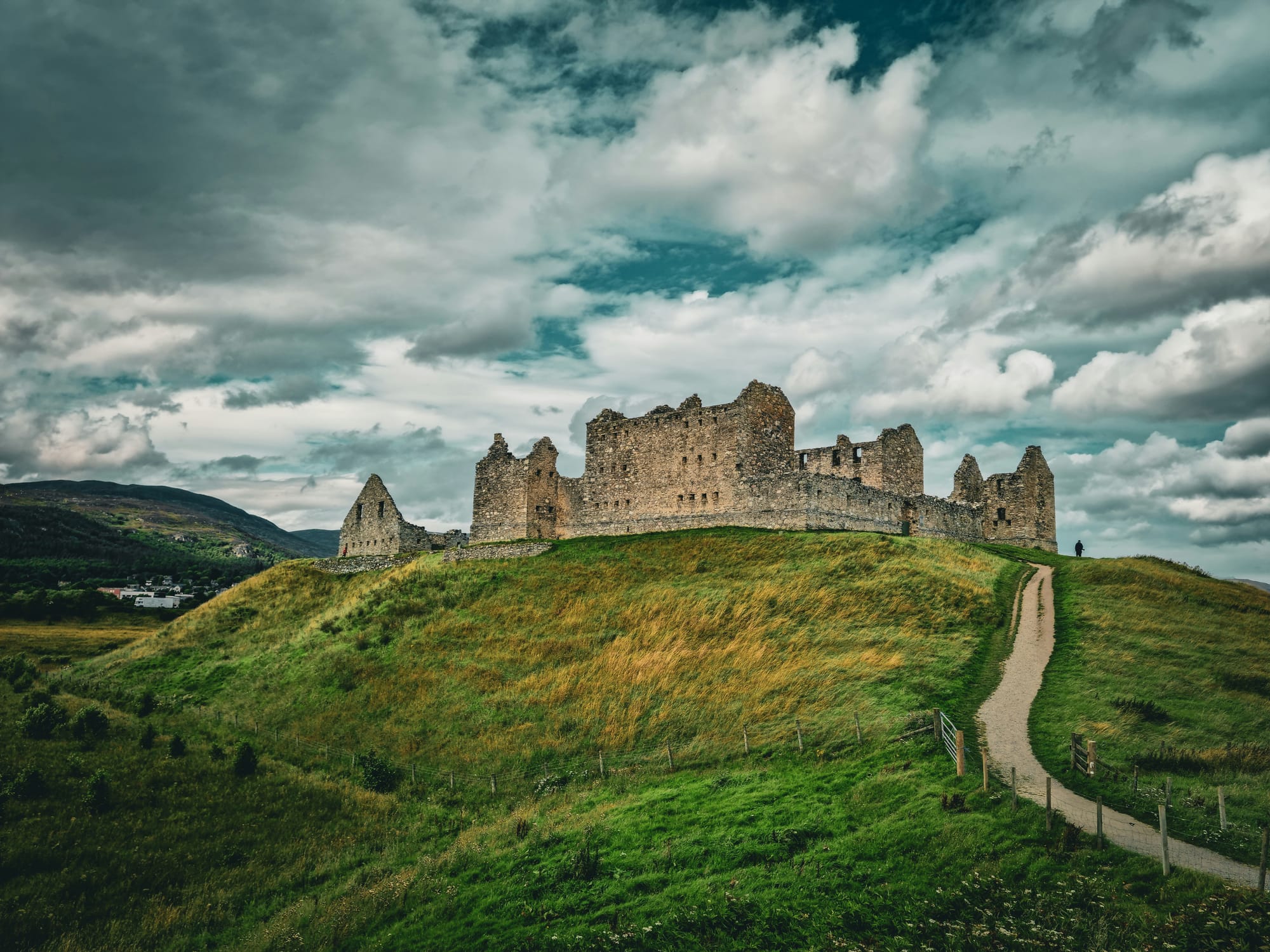
If Aviemore is the outdoor hub and Carrbridge the odd little textured side-road of the region’s personality, Kingussie is where the Cairngorms begin to feel more grounded.
This is not a glamorous place. Again, good. Glamour is usually where honesty goes to die. Kingussie has something better: gravity. It feels less like a visitor node and more like a Highland town that happens also to be in a spectacular landscape. There is a difference.
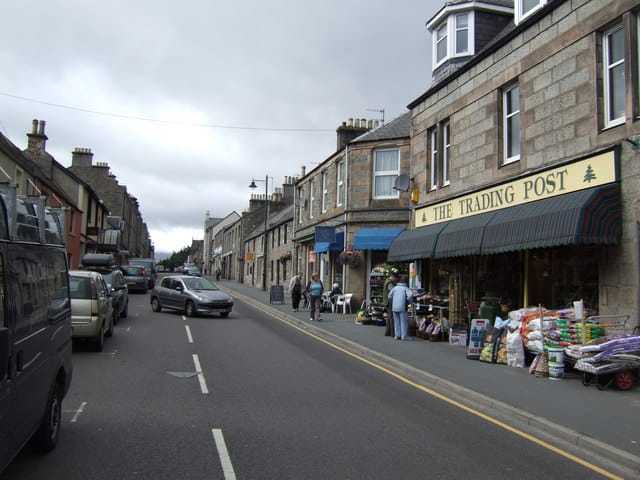
You notice it in the pace. In the mood. In the fact that the place seems less interested in performing itself for outsiders. The surrounding country is magnificent, yes, but Kingussie doesn’t lunge at you with that fact. It lets it sit there. The hills beyond. The roads stretching away. The Spey nearby. The old line of movement north and south. You feel that this is a place people live in, not just pass through with bikes strapped to their roofs.
And because of that, Kingussie feels deeper. Less exposed to the wear and tear of outdoor trendiness. It still serves as a base, of course. You can get out into the hills from here, into the wider Cairngorms National Park, onto roads that peel away into bigger country. But the town itself retains a local gravity that matters. It reminds you that the Cairngorms are not just for visitors with walking poles and weather apps. They are also a lived-in region, with communities that predate and outlast all the branding.
Kingussie is good for recalibration. A place to be reminded that the landscape is not merely a playground. It is context. It is livelihood. It is weather, history, constraint, distance, and all the ordinary realities that exist long after the hikers have gone in for dinner.
The hills that are actually worth your time
Let’s skip the fantasy that there is one tidy answer to the best hills in the Cairngorms.
The best ones depend on what you want from them, what the weather is doing, and whether you are after a clean summit photo or something more meaningful. But if you want hills that reveal what the Cairngorms actually are, a few rise above the rest.
Cairn Gorm
Obvious, yes. Still worth it.
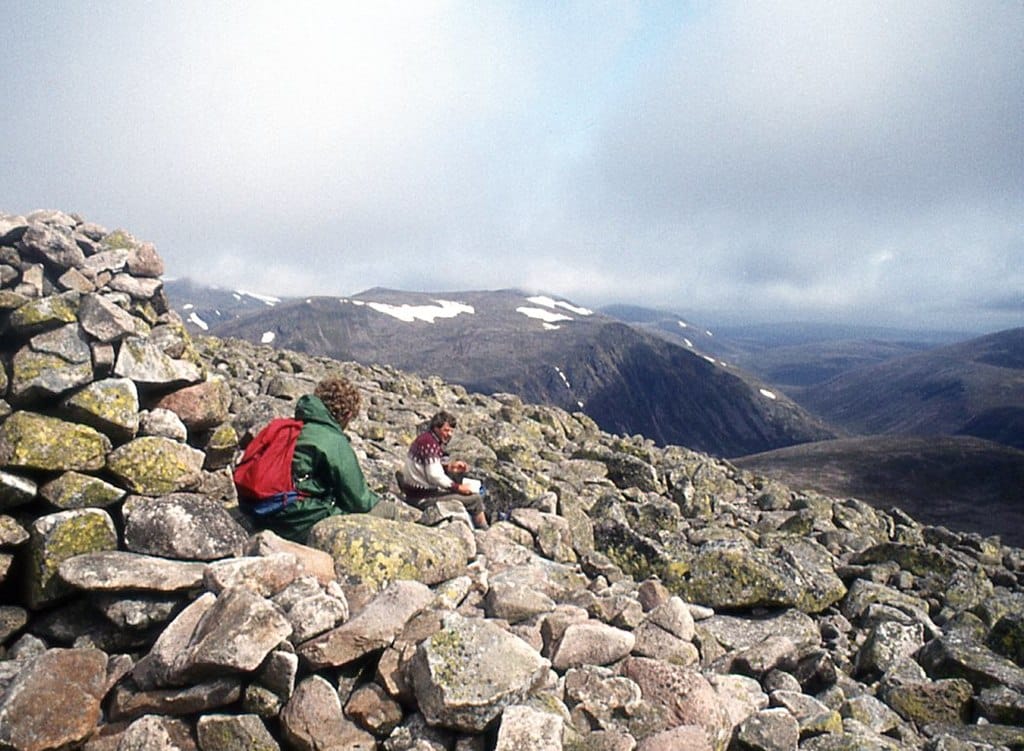
Not because it is secret or somehow pure, but because it introduces you directly to the central truth of the region: above a certain point, the world changes character. Cairn Gorm itself can draw crowds, skiers in season, infrastructure, and the whole apparatus of mountain access that makes purists grumble. Fine. Let them grumble. The mountain still matters. It gives you entry into the plateau world, into the exposed logic of the Cairngorms, where the air thins out emotionally if not literally and everything starts depending on weather, judgement, and how much you trusted the forecast.
Braeriach
Braeriach feels bigger. Wilder. More committed.
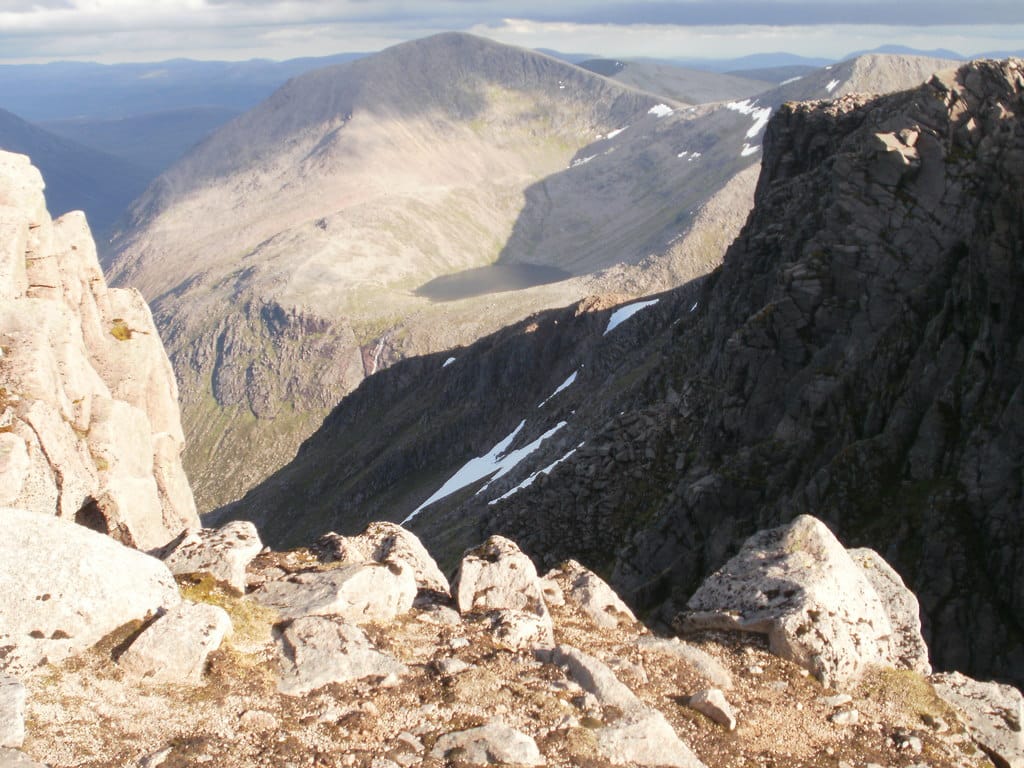
It has that quality some mountains have where the effort itself becomes part of the point. The approaches are long enough, the ground serious enough, the plateau and corries vast enough, that you stop imagining the day as a neat excursion and start feeling it as a proper engagement with the landscape. This is where the Cairngorms start shrugging off the last traces of accessibility and remind you that big hills are not there merely to be collected.
Ben Macdui
Ben Macdui is one of the hills that gives the region its psychological weight.
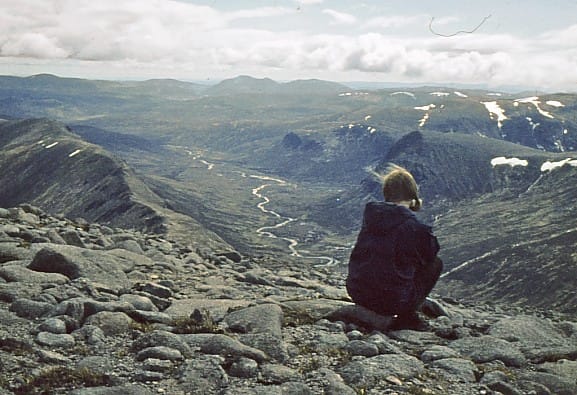
Not dramatic in the cartoonishly jagged sense. Better than that. Higher, broader, more exposed, more austere. There is something cleansing about the experience of moving through terrain that stripped-down. No decorative nonsense. Just height, weather, stone, and that peculiar Cairngorm sensation of being in a place that is simultaneously open and oppressive.
What most people get wrong about the Cairngorms
They soften it.
That is the mistake.
They take a place built out of exposure, distance, effort, and weather, then translate it into wellness language. They turn the Cairngorms into a scenic backdrop for self-improvement. Fresh air. Digital detox. Reconnection. A little campfire reset. Some wholesome mountain energy to wash the city off.
No.
That is brochure thinking. The Cairngorms are not a spa treatment. They are a working, lived-in, weather-beaten region where the land still imposes terms. They are beautiful, yes, but beauty here is tied to roughness. To bad conditions. To bog. To cold hands on a climb. To roads stretching through pine in fading light. To the fact that the place can feel open-hearted one moment and bleak as a military punishment the next.
People also underestimate the towns by either overselling or dismissing them. Aviemore is not the soul of the Cairngorms, but it is not some embarrassing intrusion either. It is useful. Carrbridge is not just a cute stop. It has real texture. Kingussie is not merely somewhere quieter to stay. It gives the whole region more weight. You need the settlements in order to understand the wildness properly. Contrast matters.
And the biggest mistake of all is treating the Cairngorms as easy to consume. A place to “do” in a weekend through a blur of scenic stops and one overly ambitious walk. This is large country. It asks for time. For attention. For some patience. Not because it is inaccessible, but because it is richer than people’s first approach allows.
The Cairngorms are worth visiting because they are larger than you
That, in the end, is the whole thing.
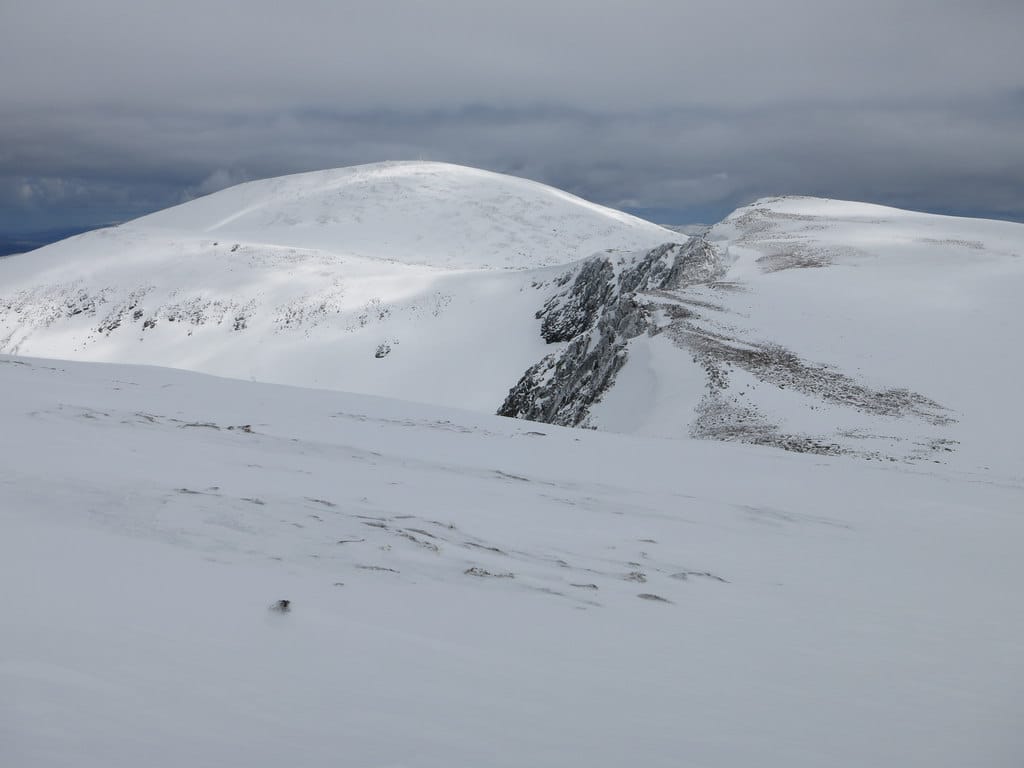
The Cairngorms are not tidy enough for a brochure to contain them honestly. They are too big, too changeable, too exposed, too full of roads, forests, rivers, bad weather, overbuilt hubs, quiet towns, hard climbs, and deeply unbothered land. They are worth visiting because they still feel like a region with multiple truths at once. Useful and wild. Marketed and real. Accessible and still, in key ways, unforgiving.
Aviemore matters because it gets you in. Carrbridge matters because it reminds you small places can still hold texture. Kingussie matters because it steadies the whole picture. The hills matter because they strip away nonsense. Wild camping matters because it teaches the difference between fantasy and competence. The roads matter because they let the place unfold at its proper speed.
And above all, the weather matters.
Because weather is what turns scenery into experience. It is what makes the Cairngorms feel alive rather than merely photogenic. It sharpens the forests, deepens the rivers, hardens the hills, and keeps the whole region from becoming too easily sentimental.
Which is lucky.
Because the Cairngorms deserve better than sentiment.
They deserve attention. They deserve decent boots, a little humility, and enough time for the place to stop being an idea and become a reality. Pine, stone, bog, smoke, distance, fatigue, cold air. The whole lot of it.
That is the Cairngorms.
And that is why they are one of the best parts of Scotland.