Is Inverness Better Than It Looks?

Inverness is not one of those places that throws itself at you.
It doesn’t seduce. It doesn’t preen. It doesn’t arrive in a rush of spectacle and leave you fumbling for adjectives like some overeager travel writer in a borrowed wool coat. It is not Edinburgh, with its theatrical skyline and all that polished Gothic mood. It is not Glasgow, loud and funny and slightly dangerous in the best way. It is not one of those places that grabs you by the collar the moment you step off the train and says, “Right. Here I am. Deal with it.”
Inverness is more evasive than that.
At first glance it can seem almost disappointingly normal. A practical little city in the north with buses, charity shops, traffic lights, chip wrappers, pensioners with shopping bags, retail workers heading home in the drizzle, vape shops glowing blue into the wet evening, and tartan stores doing their level best to sell an entire national identity in acrylic. The kind of place people use. The kind of place people pass through. The kind of place travel marketers call “the gateway to the Highlands,” which is usually code for: don’t get too attached, the real scenery starts later.
And yet...
Spend a little time here. Walk the river in the early evening when the light goes flat and metallic...
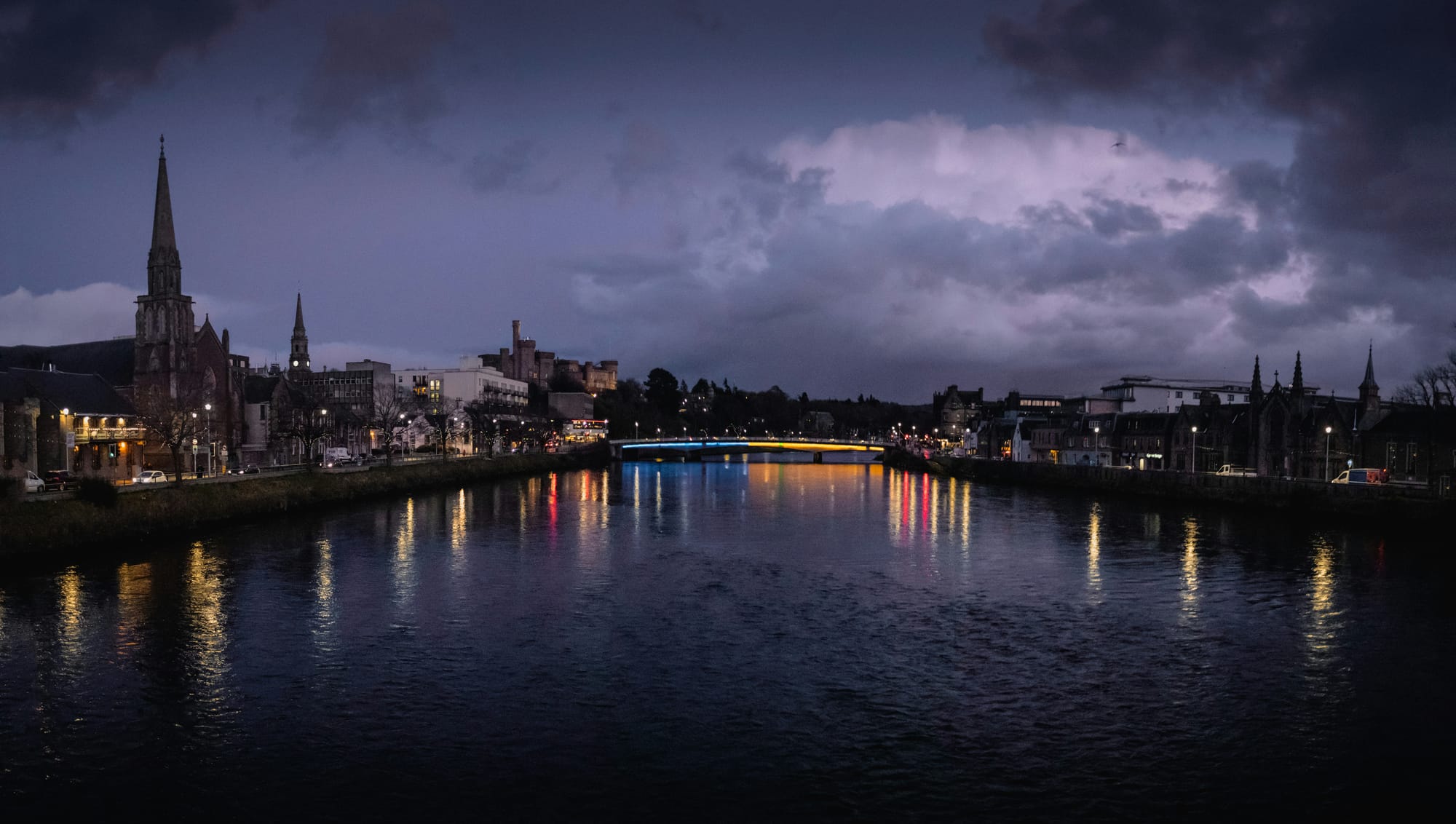
Duck into a pub where the wood has been darkened by years of hands, weather, whisky, and conversation. Drift through the centre after the day-trippers have thinned out and the city sheds its brochure face. Stand by the Old High Church with the traffic going past and the River Ness moving on in its cold, steady way. Go to Leakey’s and breathe in old paper, old dust, old religion repurposed into a far better use. Then head out to Culloden, where the romance dies very quickly and the land stops playing games with you.
That is when Inverness begins to come into focus.
So, is Inverness worth visiting?
Yes.
But only if you stop asking it to be prettier than it is. Only if you stop expecting some grand Highland capital carved from myth and storm. Only if you let it be what it actually is: a working northern city with a river through its chest, a little wear on the edges, and the great black weight of the Highlands pressing in all around it.
That is more interesting, frankly, than charm.
Inverness is a city on the edge of something older than itself
That’s the first thing to understand.
Inverness is not the Highlands in their rawest form. It is the threshold. The receiving room. The place where coaches unload, train doors open, and people briefly gather themselves before heading toward glens, battlefields, mountains, lochs, and all the rest of the atmospheric machinery Scotland exports so efficiently to the world. Inverness is where the fantasy pauses to buy a sandwich, charge its phone, and look for a hotel room.
Which sounds unromantic. Good.
Because unromantic is often where the truth lives.
The city itself is small enough to get under your skin if you walk it properly. Not rush through it with a checklist. Walk it. In the weather. In the hours when the streets are not trying to impress anyone. Inverness doesn’t reveal itself all at once. It arrives in pieces. In the shape of the river. In the particular northern greyness of the light. In the odd mixture of old stone and retail clutter. In the feeling that this place has spent centuries as a line between one world and another.
That matters.
You feel it in the geography. The River Ness cuts through the city with the sort of calm authority that no branding consultant could ever invent. It is not decorative. It is not there to soften the place into a postcard. It gives Inverness its rhythm, its structure, its weather, its mood. The river is the city’s best feature because it is the least interested in flattering anyone. On a bad day it looks hard and cold and faintly disciplinary. On a good day, it just keeps moving, indifferent to your plans.
And the city gathers around it in a way that makes sense only after a while. Not instantly. Not with fireworks. Quietly.
The centre of Inverness tells the truth..
There is a temptation, particularly among people who like their travel clean and cinematic, to be disappointed by central Inverness.
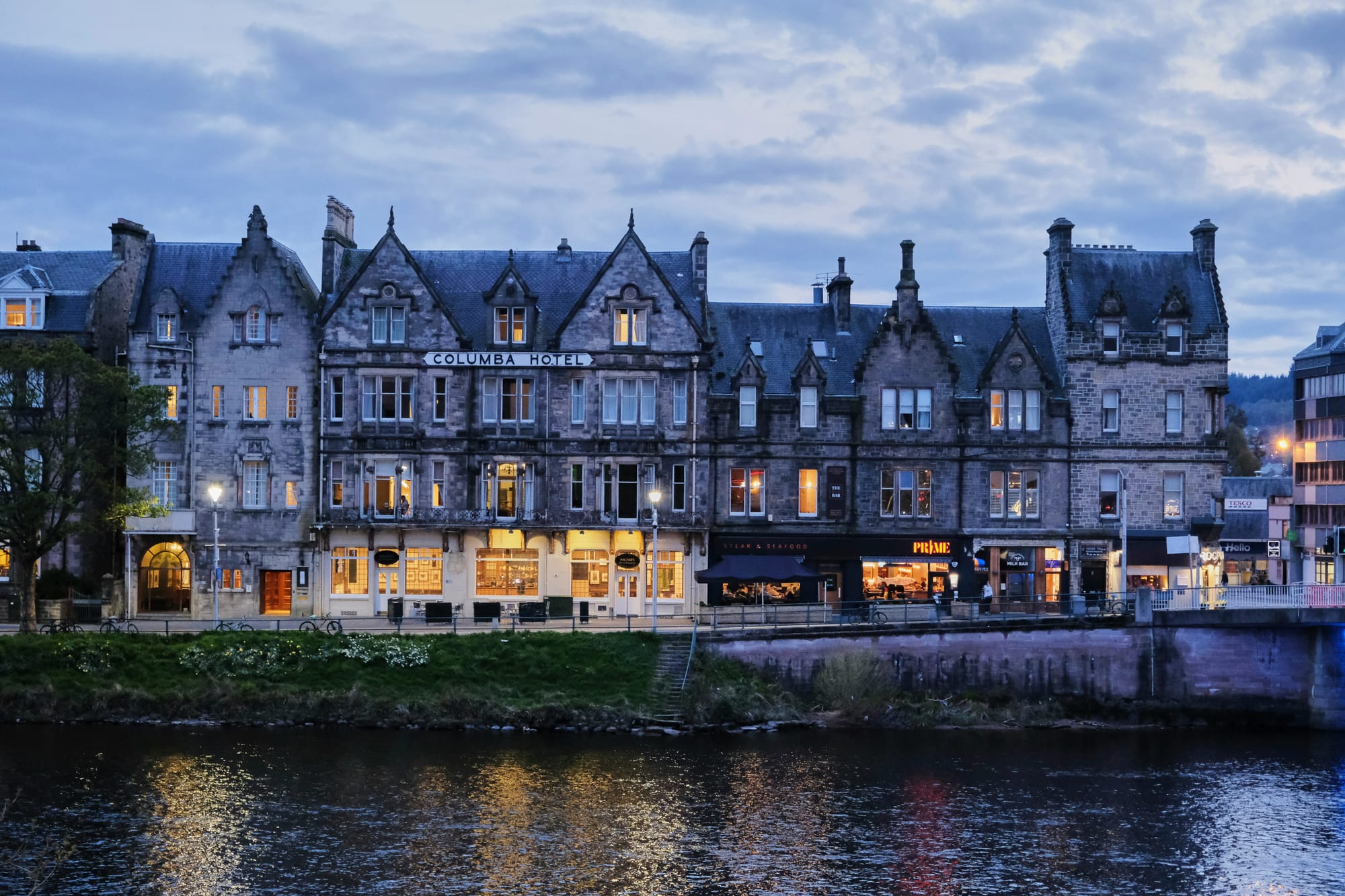
You come looking for Highland grandeur and get tartan shops. Souvenir windows full of stag heads, tea towels, tin signs, toy bagpipes, and all the bright desperate clutter of a place trying to turn itself into something portable. A few doors down you get a vape shop. Then a betting shop. Then a decent café. Then some tired-looking retail frontage. Then a church. Then another tartan shop. Then a pub that looks as though it has outlasted three recessions, five owners, and most of the modern world.
Perfect.
That’s the point.
The town centre is interesting precisely because it hasn’t been disinfected into fantasy. It is not some preserved Highland theme park where every shopkeeper exists to deepen your sense of Celtic wonder. It is a real place. A living one. And living places are messy. They contain bad signage, cheap junk, practical ugliness, ordinary routines, and people who are not performing local identity for your benefit. Inverness wears all of this openly.
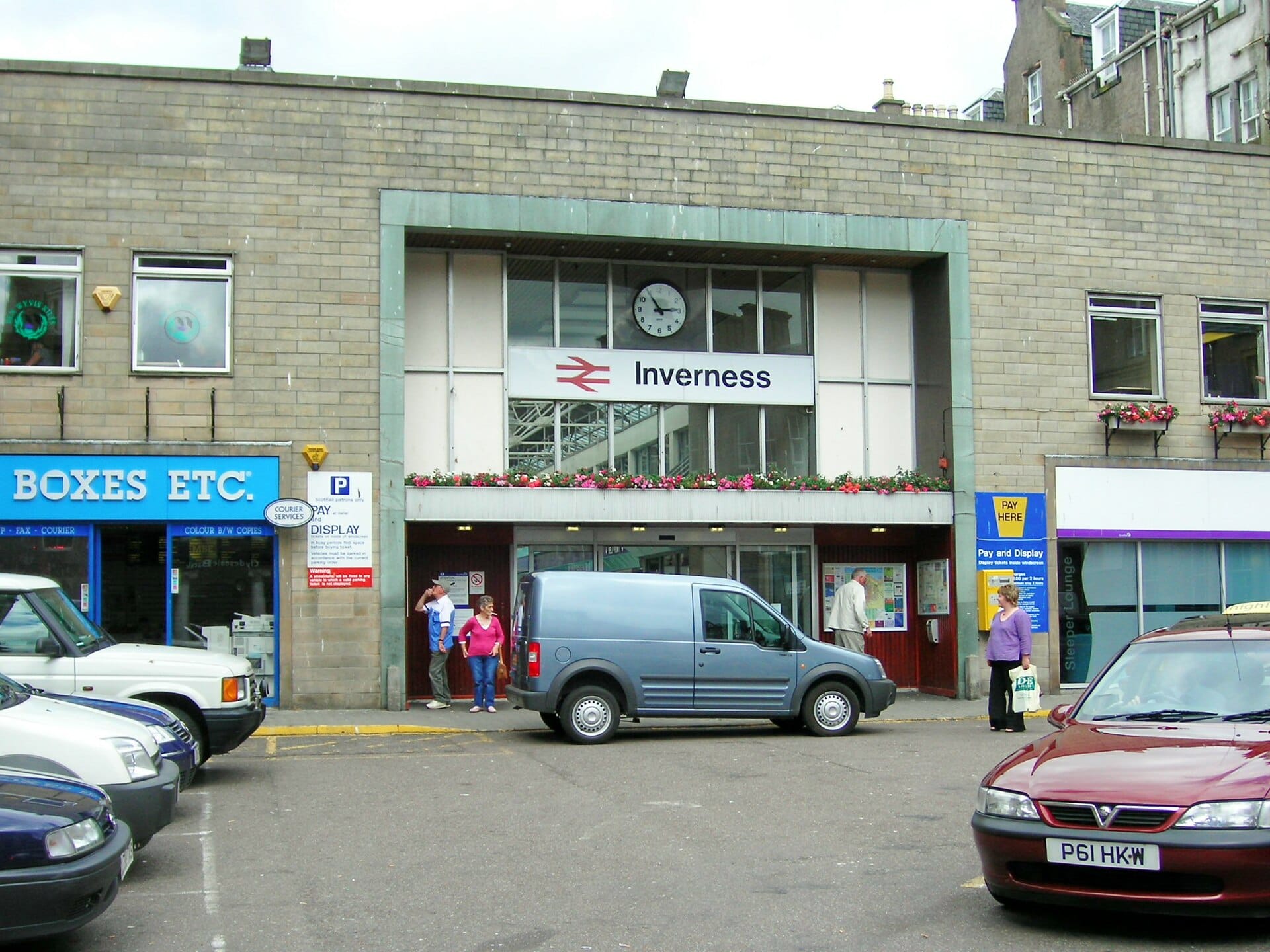
You can sneer at that, I suppose. Easy enough. Or you can recognise that this friction between the marketed Highlands and the actual town is where some of the city’s character lives.
Because beneath the tartan tat and everyday clutter, there is something solid here. Something unsentimental. Inverness knows it is useful. It knows it is a staging point. It knows people arrive here with absurd expectations, look around, and sometimes fail to notice what’s actually in front of them. The city does not seem particularly wounded by this. It just keeps going.
There is something admirable in that.
Walk the River Ness
The River Ness is where Inverness stops being a service station with history and becomes something far more coherent.
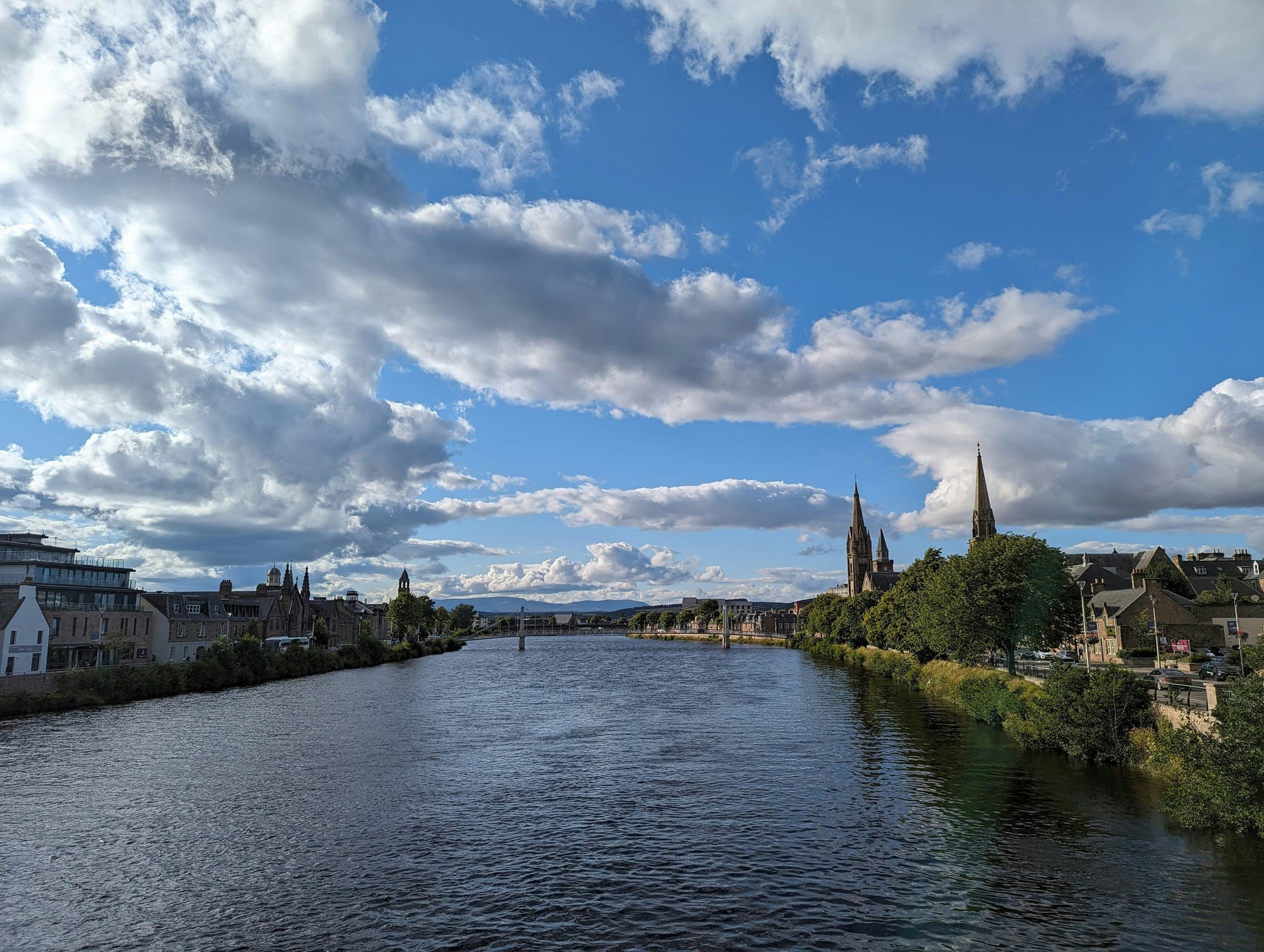
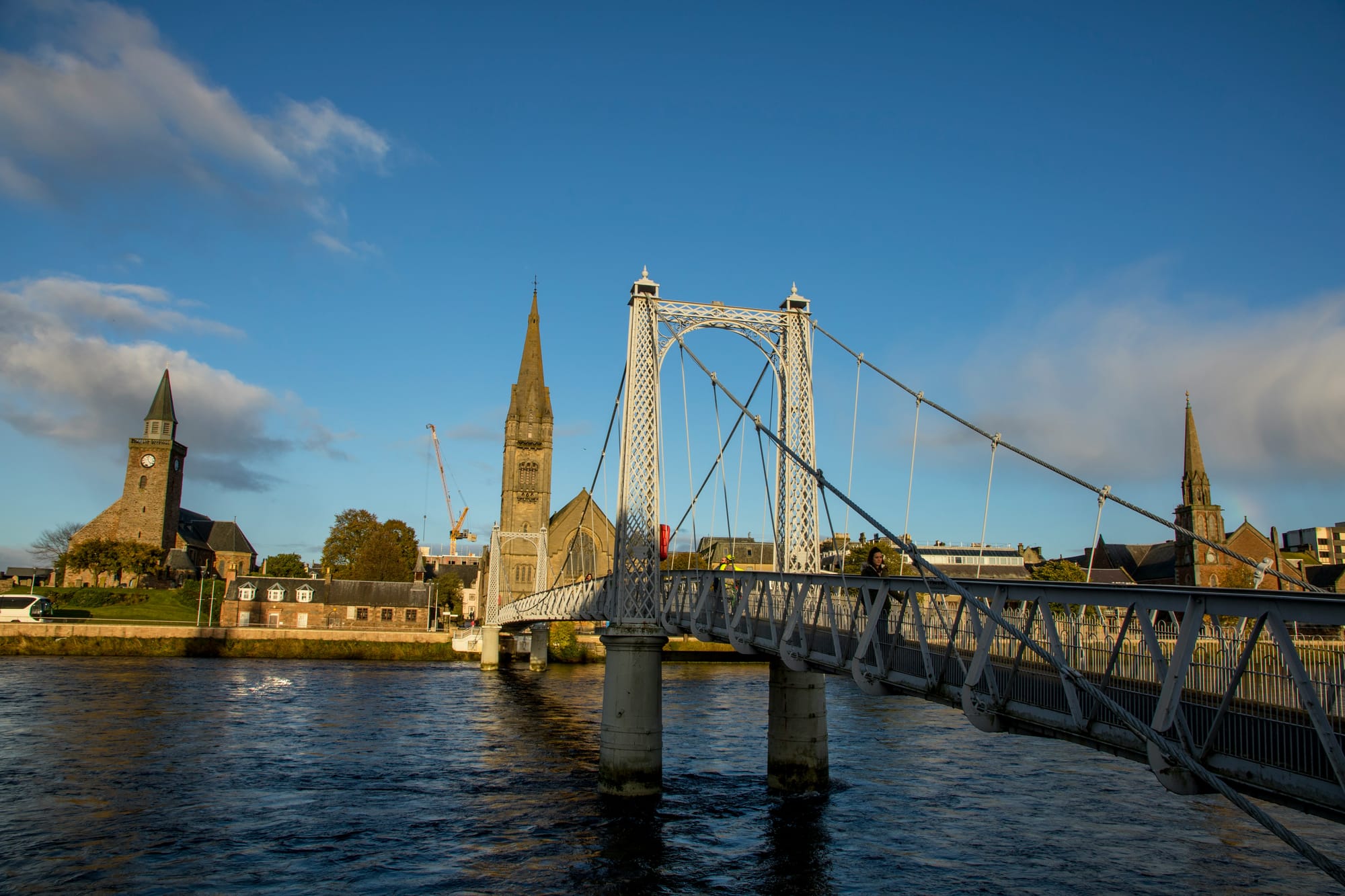
Walk its banks and the noise of the centre falls away a little. The water gives the city line and shape. Trees leaning over it. Bridges crossing it. The castle up above. The church nearby. The whole place arranged around the movement of this cold stretch of river as if everyone, over centuries, understood that this was the one thing here that really mattered.
And on foot, in the wind, you begin to feel the city differently.
Not grand. Never that. But composed.
There are towns and cities that only work in photographs. Inverness works in motion. A walk along the Ness in damp weather does more for the city than any official guide ever could. You feel the air off the water. You notice how the light dulls the stone. You watch the gulls, the current, the old buildings, the people hurrying past in coats that are made for weather, not aesthetics. It gets under your skin that way. Not through spectacle. Through repetition. Through atmosphere.
It is not trying to wow you.
It is trying to be itself. Which is better.
Inverness Castle
Let’s not oversell Inverness Castle. God knows enough places do that already.
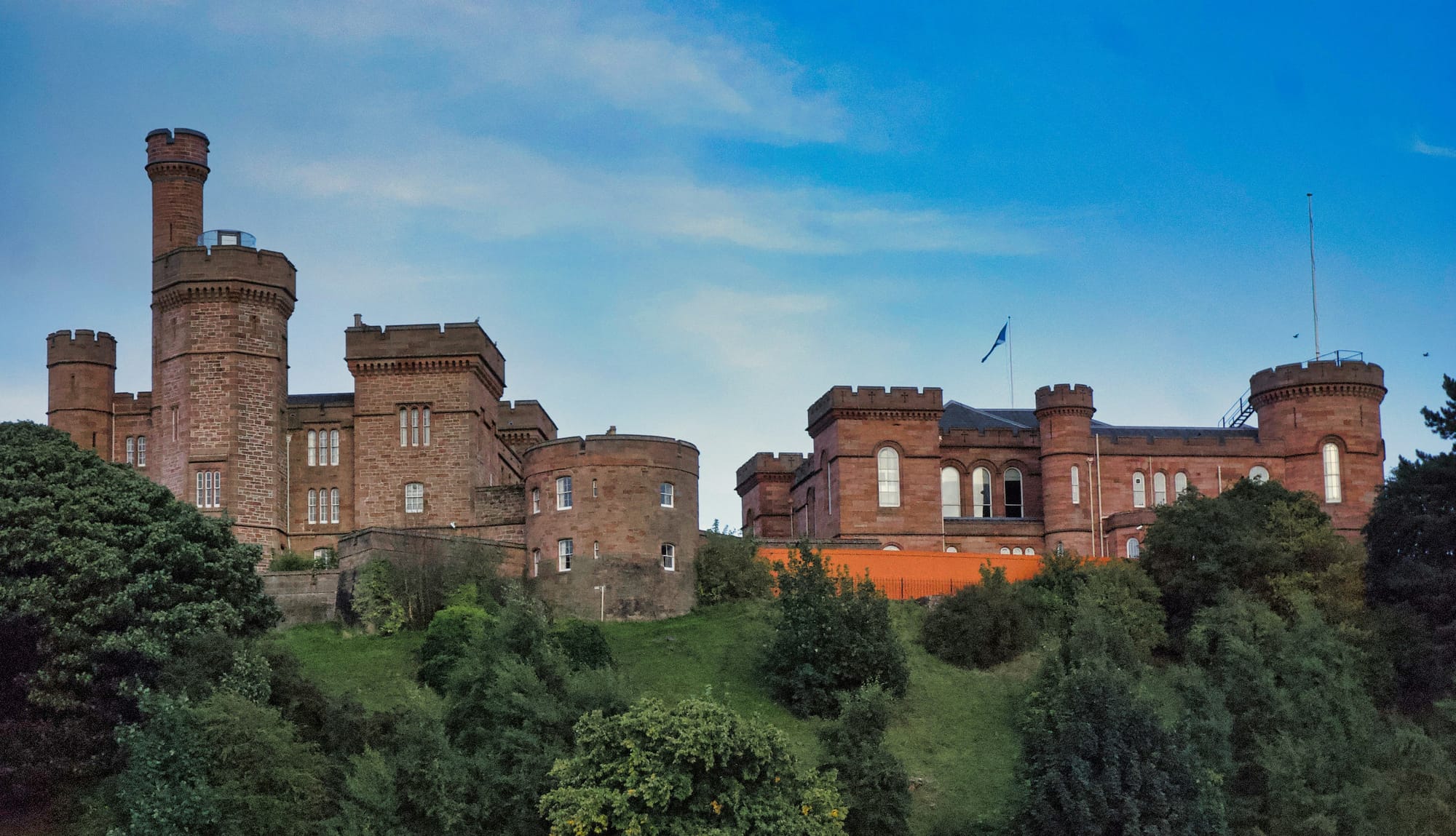
This is not the sort of fortress that leaves you with your jaw hanging open, imagining sieges and betrayals and all the blood-soaked grandeur people like to project onto old walls. If you want a medieval fever dream, go elsewhere. What Inverness Castle gives you is presence. Position. A sense of oversight. It sits above the river with an expression that suggests it has seen enough and would rather not discuss it.
That is valuable.
Cities need focal points. They need things that help your memory organise itself. Inverness Castle does that. It gives the city a vertical gesture. A little authority. A little posture. It reminds you that this place was never just some sleepy northern afterthought. It had strategic weight. It sat at a point where roads, rivers, armies, commerce, loyalties, and identities met and collided.
Even now, it still feels like a marker. A sign that you are somewhere with a long memory, even if much of the city around it prefers practicality to drama.
Leakey’s Bookshop is one of the best things in Scotland, never mind Inverness
Let’s stop pretending all attractions are equal.
They’re not.
Some are there because someone had a map and a funding application. Some are there because tourists need to be given something to do between coffees. And then there are places like Leakey’s Bookshop, which feel as if they should exist in theory only, but somehow stubbornly, gloriously exist in fact.
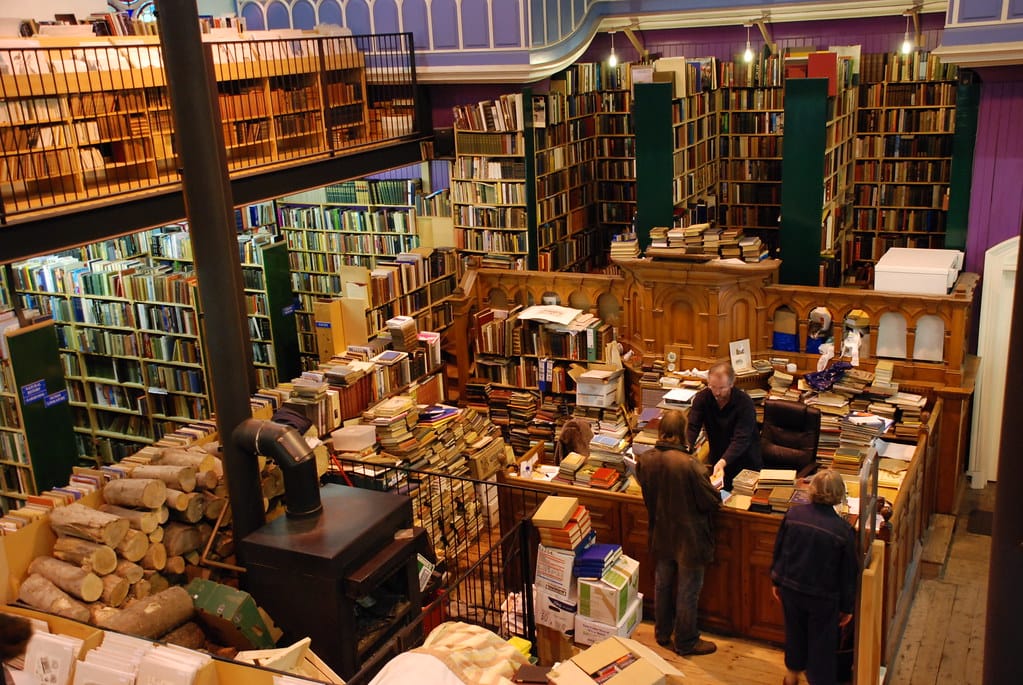
A giant second-hand bookshop in an old church. Already, that’s strong. But it’s the reality of the place that gets you. The shelves. The height of it. The stove burning in the middle. The smell of old paper and dust and wood smoke. The slightly chaotic intelligence of it all. Not curated “literary atmosphere” installed by an interior designer with too much money and too little soul. Real atmosphere. Earned atmosphere.
You walk into Leakey’s and suddenly Inverness deepens.
Outside, the city can seem modest. Useful. Almost reticent. In here, it acquires obsession. Texture. Strange dignity. It becomes the sort of place that produces collectors, readers, ministers, eccentrics, and people content to spend an entire cold afternoon arguing silently with dead writers. You feel history in the structure, but also continuity. A church repurposed not into flats or a branded dining concept, but into a temple for printed thought and private fixation.
That is not just charming. It is civilizational.
I would rather spend an hour in Leakey’s than in half the official attractions in the country.
The Old High Church and the city’s darker undertow
The Old High Church doesn’t need to make a fuss. It has already outlived the need.
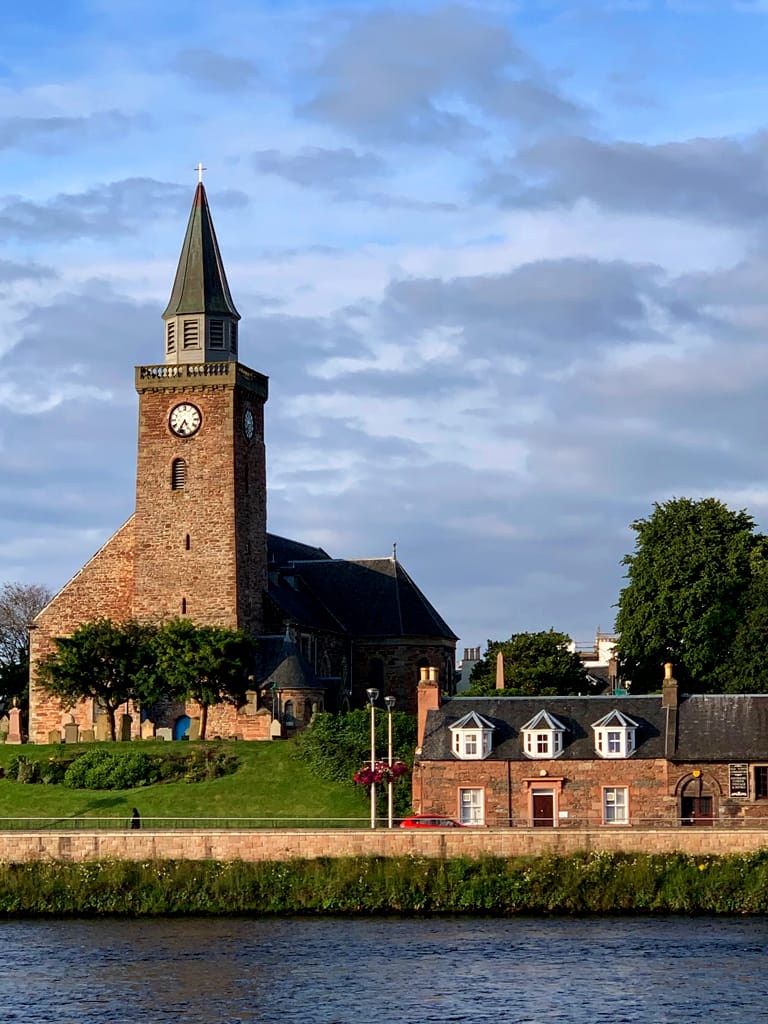
It stands near the river with the kind of stillness old places sometimes have when they’ve seen too much. Not picturesque stillness. Not decorative heritage stillness. Witness stillness. You feel it more than you admire it. It is one of the places in Inverness where the city’s surface starts to thin and you catch sight of the harder historical layers underneath.
And that’s important, because Inverness without its undertow is easy to misunderstand.
This is not just a pleasant northern city with decent pubs and a useful train station. It has been, for centuries, a pressure point. A place tied to control, to conflict, to the long and uneasy relationship between the Highlands and the powers that sought to contain them, manage them, civilize them, exploit them, romanticize them, and sell them back in simplified form.
The church feels close to that. Close to old grief. Close to the part of Scottish history that is not very interested in entertaining you.
Good.
Not every place should.
Friendly people. Yes. But not in the fake way
One of the most annoying things in travel writing is when “friendly locals” gets trotted out like a decorative phrase, as if entire populations exist to smile warmly at visiting outsiders and confirm their good choices.
That’s not what I mean here.
What Inverness has is a human scale. A town-city scale. The kind of place where interactions still feel direct and unforced. You ask for something, people answer. You walk into a pub, a café, a shop, and there’s often less performance, less edge, less exhausted metropolitan indifference than you get elsewhere. People seem, more often than not, decent. Practical. Not interested in wasting your time. The city feels inhabited rather than staged.
That counts for a lot.
Especially in a place where it would be so easy for tourism to turn everything into an exhausting act. Inverness mostly avoids that. Or at least avoids it more successfully than many places would.
Loch Ness is worth seeing once you strip away the nonsense
Loch Ness suffers from one of the stupidest branding burdens in Europe.
Poor thing.
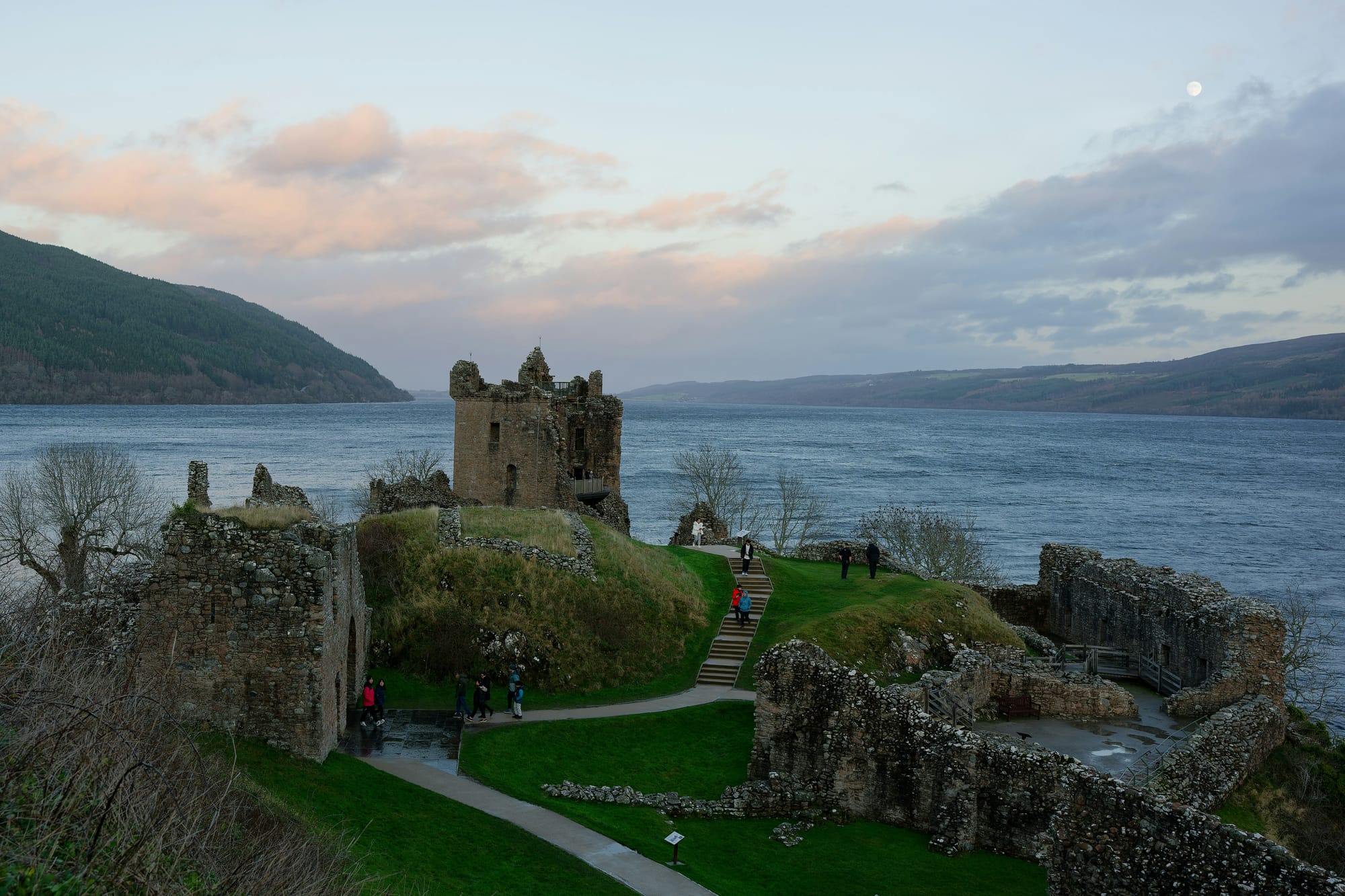
An immense, dark, cold body of water with a mood black enough to swallow small optimism whole, and what has the world done with it? Cartoon monsters. Plush toys. Spoon racks. A mythology industrial complex that turns one of the grimmest, most compelling lochs in Scotland into a family-friendly joke with a gift shop.
Ignore all that.
The loch itself is superb. Not because it’s whimsical. Because it isn’t. It is long, dark, deep-looking, and almost aggressively humourless. It has the kind of presence that makes you lower your voice slightly, not because there’s anything supernatural going on, but because the place has mass and mood and no interest in being cheerful for you. That’s why it works. That’s why, from Inverness, it’s worth going.
And from the city, it makes sense. Inverness is one of the best bases for reaching it, then coming back somewhere with a bed, a drink, and enough ordinary life to stop the whole trip disappearing into mist and mythology.
Culloden is where Inverness stops being fun
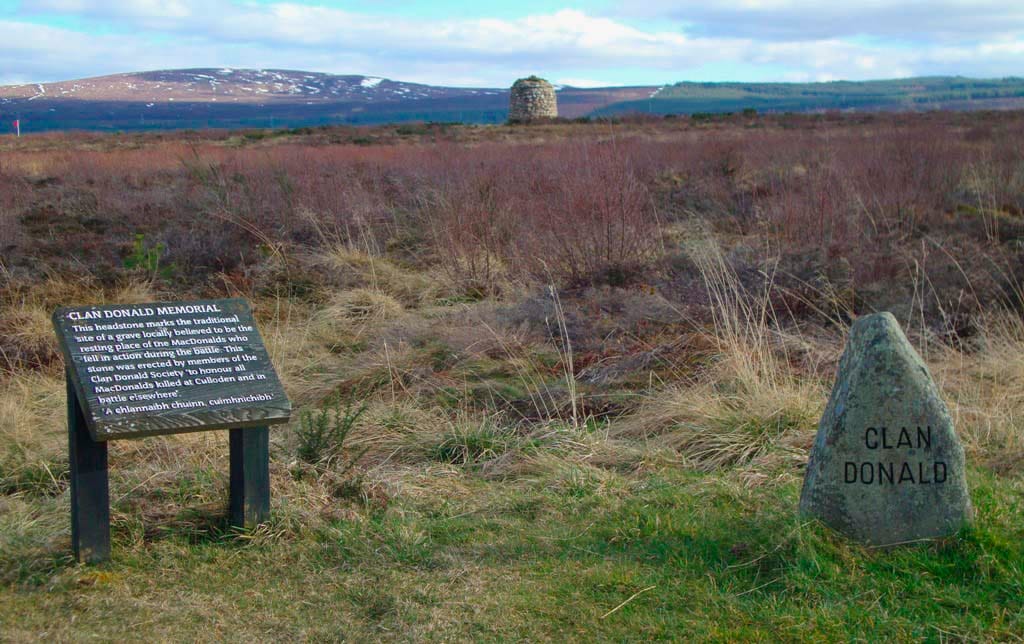
Culloden is close enough to Inverness that it changes the way the city feels.
That is not an overstatement.
Before Culloden, you can still talk lazily about Highland history as though it were all tartan, pipes, bravery, and beautiful gloom. After Culloden, that becomes harder. The battlefield has a way of clearing the sentimental fog. It puts death, defeat, and finality back into the story. It reminds you that these landscapes were not simply admired. They were contested. Punished. Broken.
And once you’ve been there, Inverness itself changes.
The city becomes not just a convenient base, but a place on the lip of something darker. A place adjacent to a wound. That gives it more weight than people first imagine. Suddenly the river feels older. The churches feel heavier. The town’s position in the landscape feels more consequential. Culloden doesn’t just enrich a visit to Inverness. It casts a shadow back over it.
As it should.
Have a drink. Walk the streets. Let the place come at you sideways
Inverness is not a city to conquer.
It is a city to sit with.
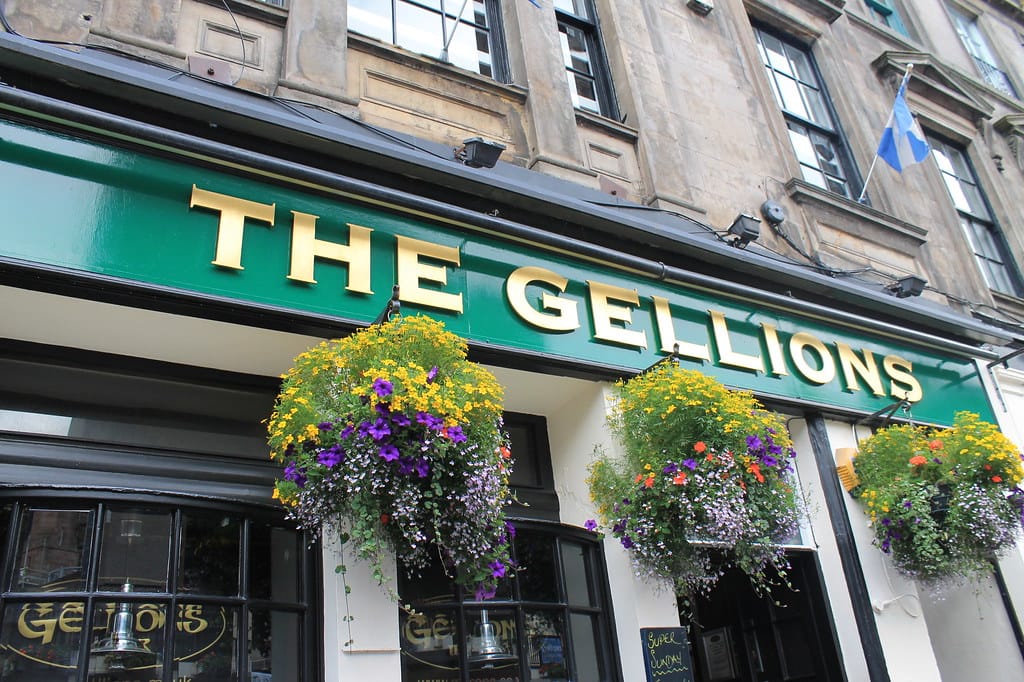
Have a pint or a dram in one of the older pubs. Not because it’s quaint or “traditional” or any of that exhausting brochure language. Because pubs in places like this still do what pubs are meant to do. Hold weather out. Gather voices in. Soften the edges of the day. Let the city reveal itself in fragments. Through overheard conversation. Through the grain of the wood. Through the feeling that this room has been doing its job for longer than most modern buildings deserve to survive.
Walk again afterward.
Walk through the centre when the shops are shutting and the tourist gloss is starting to peel off. Walk down toward the river. Let the cold get into your face a little. Notice the ordinary beauty of streetlights on wet pavement. The castle above. The church near the water. The dull glow of the vape shops. The tat in the windows. The stubborn fact that Inverness, for all its compromises, remains itself.
That’s the city.
Not some cinematic fantasy. Not some stage set for Highland longing. A real place. With weather, friction, memory, and enough soul to reward your attention if you have the patience to look properly.
So, is Inverness worth visiting?
Yes!
But not if you want it to flatter you.
Not if you expect a grand pageant of Scottishness performed on demand. Not if you need every hour to deliver a spectacle. Inverness is worth visiting if you understand that its strength lies in mood, texture, and position. In the River Ness. In Leakey’s. In the Old High Church. In the scruffy honesty of the centre. In the decent pubs. In the human scale of the place. In the fact that Loch Ness and Culloden sit close enough to thicken the air around everything.
Inverness is a city that makes more sense after dark, after rain, after a walk, after a drink, after you’ve given up on trying to force it into some simplistic category.
It is not one of the great show-off cities.
It is something better.
A place with its guard half up. A place that does not immediately reveal its best self. A place that exists on the edge of harder country, and knows it. A place where myth, history, commerce, weather, boredom, beauty, and ordinary life all rub shoulders without ever fully resolving into a clean story.
Which is exactly why it stays with you.