7 Scottish Castles That Will Blow Your Mind

You think you know castles? You’ve seen the bullshit postcards—grey towers poking out of the mist like they’re posing for a calendar, bagpipes wailing in the background, some poor bastard in a kilt grinning through the sideways rain for the tourists. Scotland sells that fantasy like a cheap hooker, and yeah, it works every damn time. But the truth is colder, wetter, and a hell of a lot more interesting.
I’ve stood on ramparts where the wind hits like a slap from God, looking down at places where men died screaming for kings who wouldn’t have pissed on them if they were on fire. I’ve walked halls that still smell faintly of woodsmoke and betrayal, where every shadow feels like it’s waiting to tell you something you don’t want to hear. These aren’t Disney props. They’re scars on the landscape—beautiful, brutal, and refusing to be romanticized.
This isn’t some polite guidebook list. It’s seven castles that got under my skin, the ones that make you feel small and insignificant in the best fucking way. Some are postcard-perfect, sure. Others are half-ruined, haunted by ghosts who don’t give a damn about your Instagram shot. All of them remind you that history isn’t a museum exhibit—it’s a fistfight that never quite ended.
So grab a decent jacket, maybe a flask of something strong to keep the cold from crawling into your bones, and come with me. We’ll climb the stairs, peer through arrow slits, and try to figure out why anyone ever thought owning one of these damp stone monsters was a good idea.
Edinburgh Castle
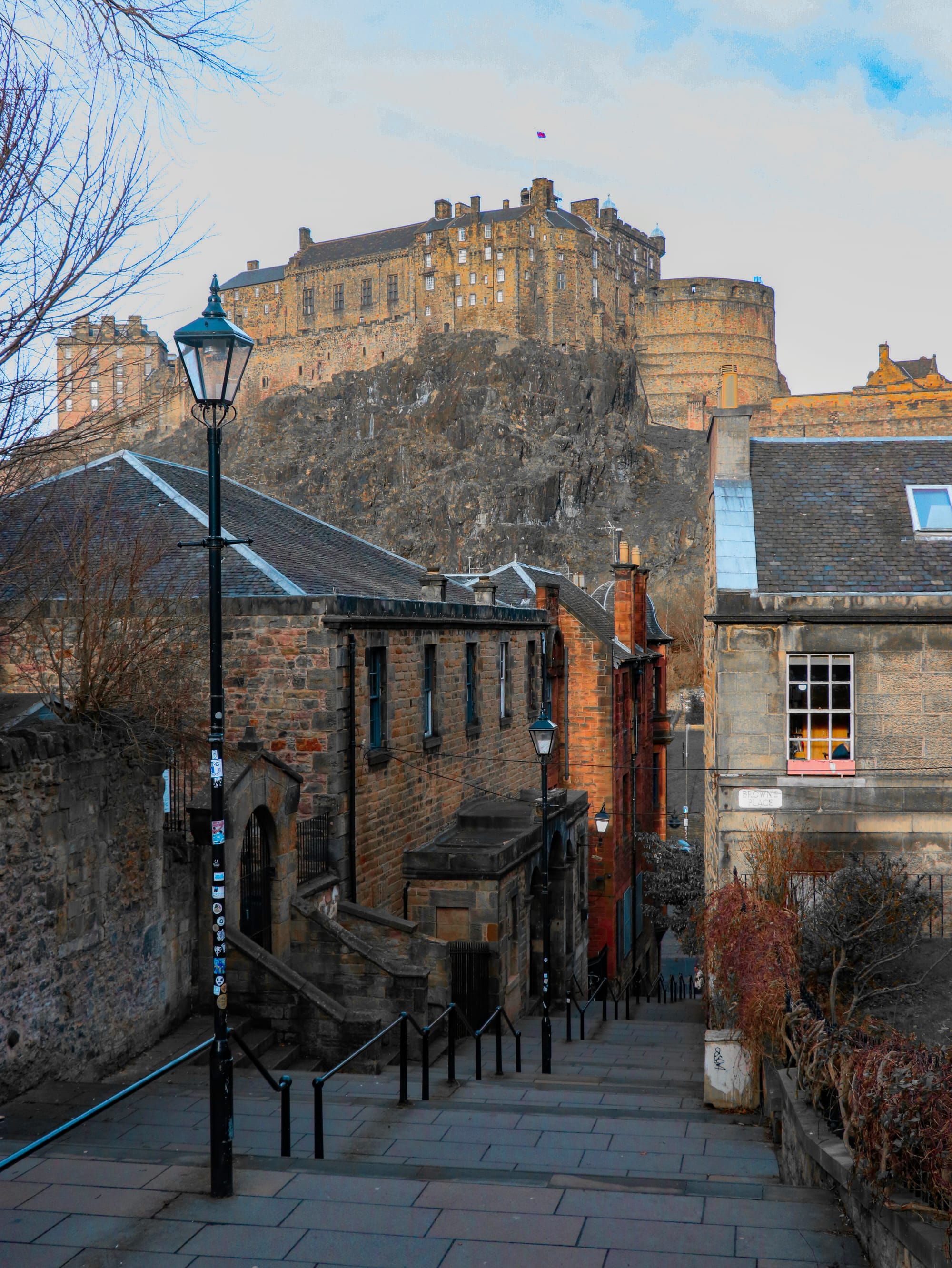
This magnificent bastard squats on top of the city like it still owns the whole damn country. You can’t miss it. It looms over everything, daring you to come up and pay your respects. And pay you will! They hit you with a ticket price that'll make you wince like a true Scotsman.
You walk up the esplanade toward the imposing outer battements and the cold bites straight through your jacket. The stone under your sneakers feels ancient and unforgiving, like it remembers every siege, every betrayal, every king fool enough to think he could tame this rock.
The One O’Clock Gun still fires every day at precisely one o’clock — not because anyone needs it to. Just because some traditions are too good, too strange, and too Scottish to die. One loud bang to remind the city that time is passing and history is still watching.
The views from the ramparts are ridiculous in the best way. You look out over the city, the Firth of Forth glittering in the distance, and for a moment you understand why people have been fighting over this lump of volcanic rock for a thousand years. It’s not just a castle. It’s a statement.
Go early if you can stomach the price. Honestly, it's worth every penny. The crowds turn it into a theme park by noon. Walk slowly. Feel the weight of the place. Because this isn’t some polished tourist attraction — it’s a fortress that spent centuries telling the world “you don’t get to take this from us.”
And when that gun goes off at one o’clock, don’t jump. Just smile. That’s Edinburgh reminding you it’s still here, still loud, and still not interested in being polite about it.
Stirling Castle
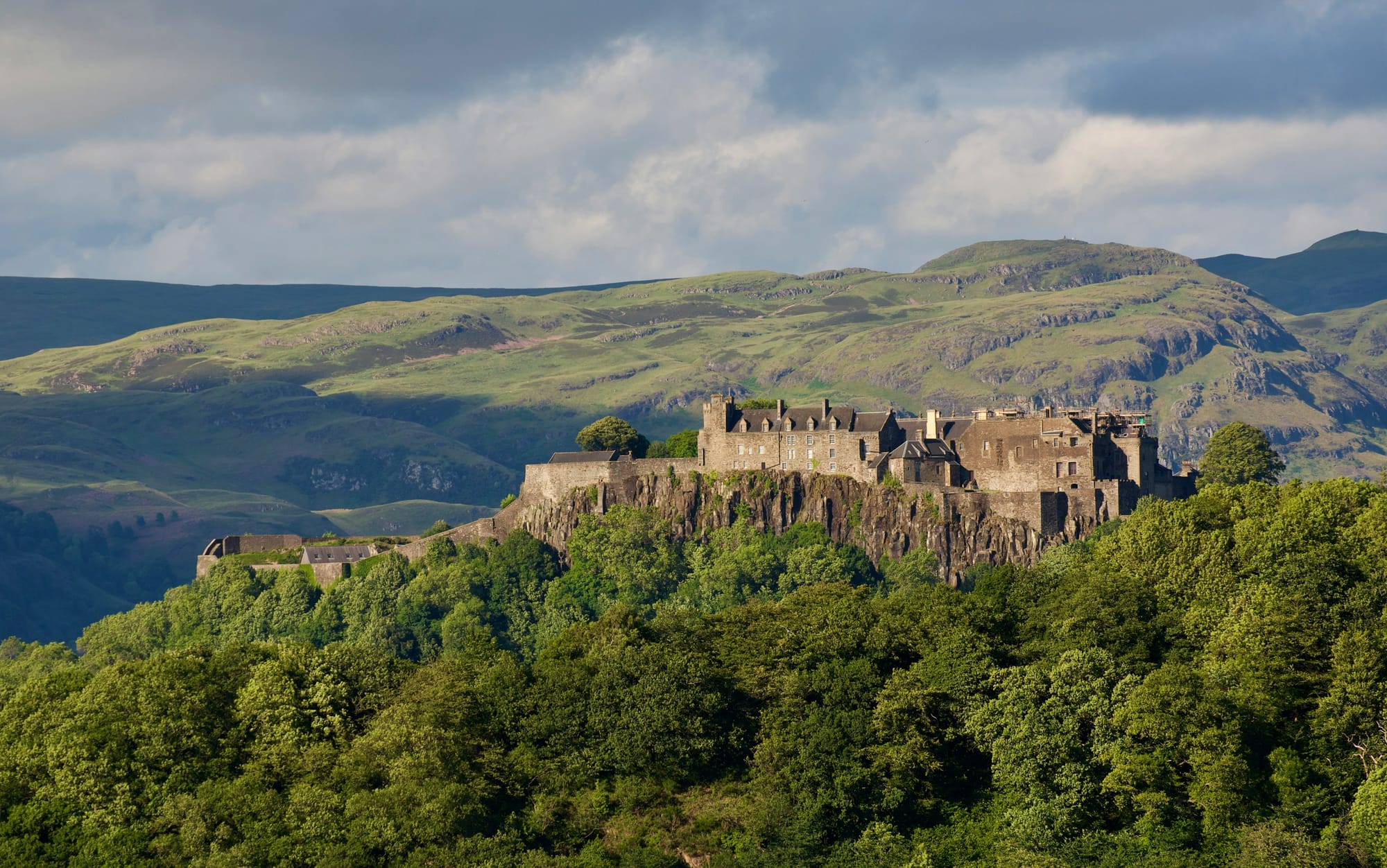
Perched on a volcanic crag like it was placed there by someone who understood exactly how Scotland works. You stand on those ramparts and the view unfolds beneath you — Lowlands on one side, Highlands on the other, the river winding below like a natural moat. This isn’t some pretty postcard castle. This is where Scotland decided who it wanted to be.
The Renaissance palace is restored so well you can almost hear the footsteps of kings and queens echoing down the corridors. The Great Hall still feels alive. Mary Queen of Scots was crowned here. James VI grew up inside these walls. It was a favourite of the Stewart dynasty for a reason — because this rock was the strategic heart of the country.
Down below, is an achingly beautiful graveyard where the headstones are worn smooth by centuries of rain. Stand here long enough and you start to feel the weight of all the ordinary people who lived and died while the big dramas played out on the castle hill above them. And not too far away, you’ll find the Wallace Monument sticking up like a stone finger pointed at the sky — a Victorian tribute to William Wallace (the one from that Mel Gibson movie) that somehow manages to be both impressive and slightly ridiculous at the same time.
History here isn’t polite. It’s a long, messy story of power, betrayal, and people fighting over the same lump of stone for centuries. You feel it in the air. The place doesn’t whisper romantic tales. It speaks plainly: this is where Scotland’s fate was decided, over and over again.
Go early if you can. The audio tours are decent, but honestly the best thing is just walking the grounds slowly, taking it in. This one isn’t the most photogenic castle on the list, but it might be the most important. It doesn’t try to charm you. It just sits there, solid and stubborn, reminding you that some places matter because of what happened on them — not because they look good on a fridge magnet.
Eilean Donan Castle
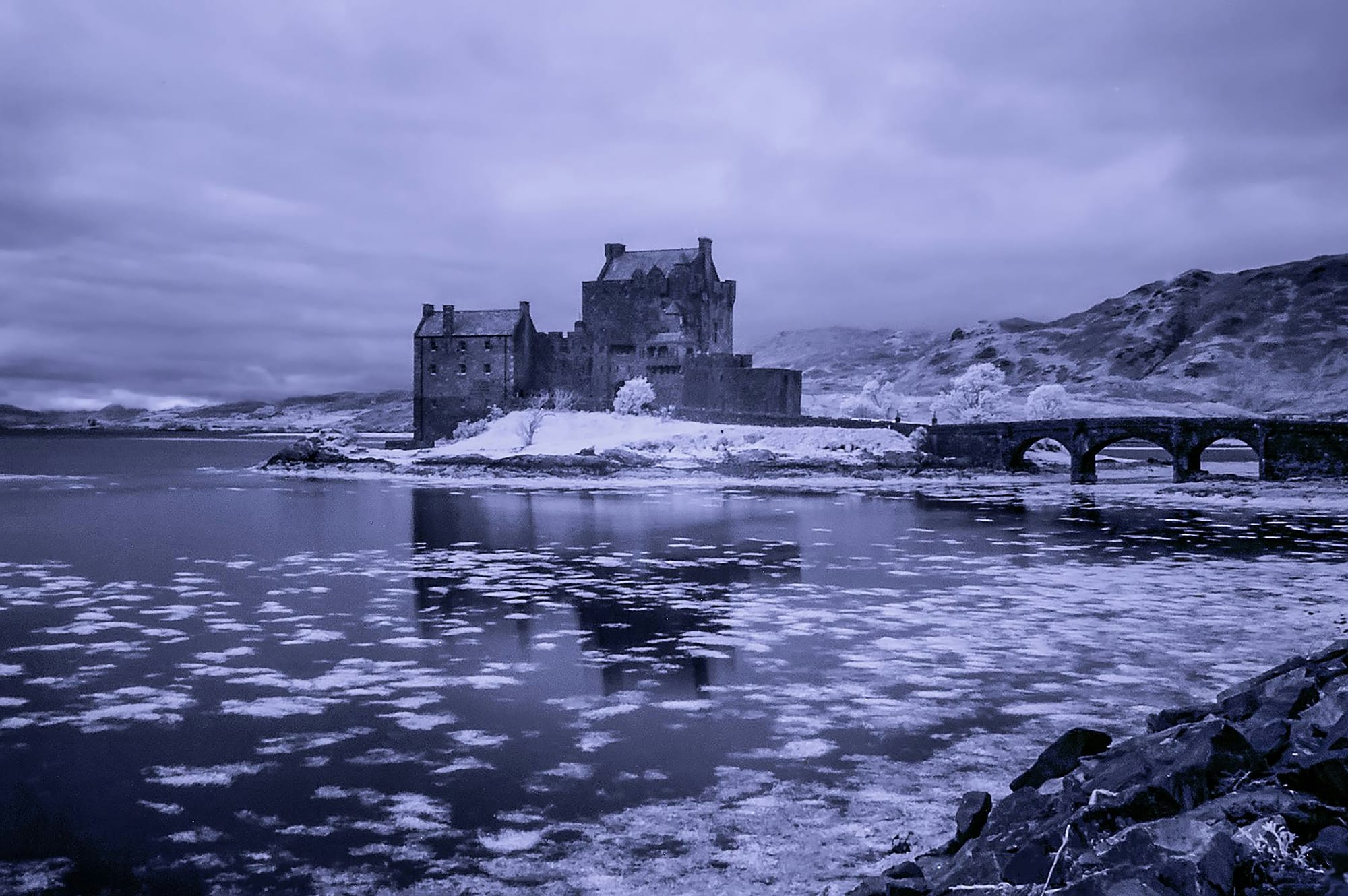
This is the one that shows up on every damn postcard, calendar, and “Scotland in 10 photos” list you’ve ever scrolled past. You know the shot: that perfect little stone fortress on its tiny island, bridge snaking out like it’s reaching for the mainland, lochs all around it like they’ve been waiting centuries to frame the thing just right. It’s so goddamn pretty it almost hurts to look at, and yeah, that’s exactly why half the people who drive by pull over and swear under their breath.
I’ve been there more times than I care to count. It's only a short drive from my home. The wind always hits first — sharp, wet, carrying salt and the faint stink of seaweed. You park, walk the bridge, and suddenly you’re standing in front of something that looks like it was built by someone who knew exactly how to make the landscape look better by putting a castle in the middle of it.
History? It’s a mess, like most Scottish strongholds. The original keep went up in the 13th century under Alexander II to keep Vikings from getting too cozy. Clan MacRae and Mackenzie ran the show for a while, turning it into a proper defensive pile. Then 1719 rolls around — Jacobite rebellion, Spanish troops holed up inside, British navy shows up with cannon and blows the whole thing to rubble. It sat as a romantic ruin for nearly 200 years until Lt. Col. John MacRae-Gilstrap bought the stump in 1911 and rebuilt it into the fairy-tale version we see now. It's still owned by the same family.
Why go? Because it’s still the most photographed castle in Scotland, and for good reason. The views are stupidly good — three lochs meeting, mountains in the distance, Skye just over the water. Go early (opens around 10 a.m. most days, check the site for winter hours) to beat the tour buses. Interior’s small but worth the ticket: restored rooms, some clan artifacts, a decent little exhibit. Walk the grounds if you don’t want to pay — the bridge views are free and honestly the best part.
Wear decent shoes; the path can be slick. Bring a jacket, even in summer — the wind doesn’t care what month it is. If you’re driving the A87, it’s impossible to miss. Park, stare, swear at how perfect it is, take your photos, then get back in the car before the crowds turn it into Disneyland.
Dunnottar Castle
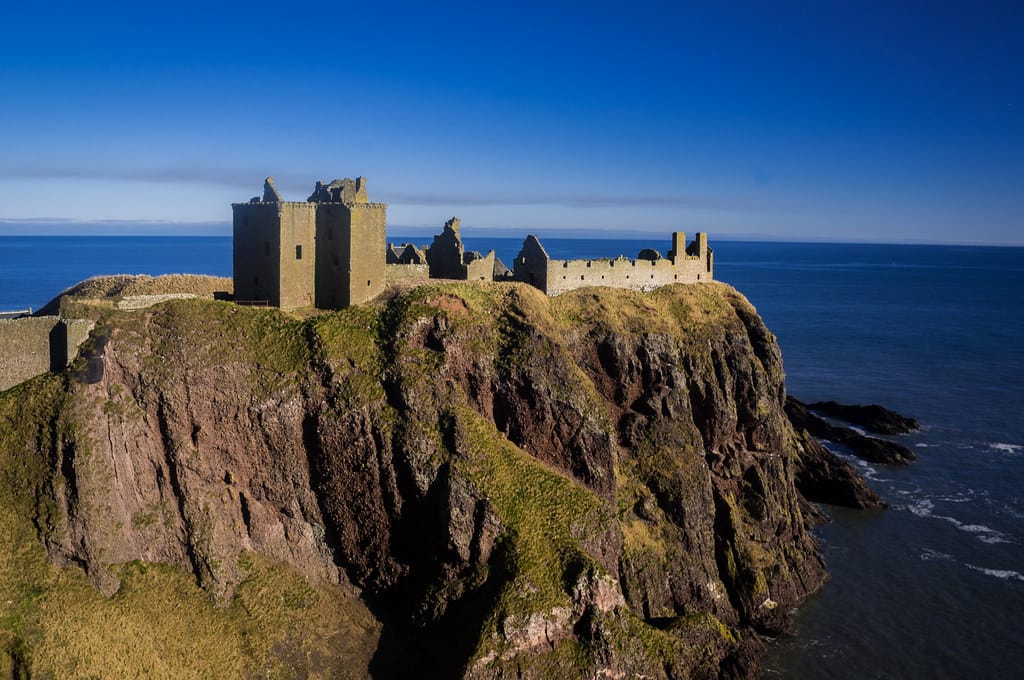
This one doesn’t mess around. It clings to a jagged sea stack like it’s daring the North Sea to come and finish what it started. The ruins are raw as hell — sheer cliffs dropping straight into crashing waves, broken towers hanging on by their fingernails above the water, the whole place looking like it barely survived the last thousand years and is still pissed about it.
I’ve stood on that clifftop on days when the salt spray hit my face and the roar of the sea made it hard to think straight. The path down is steep and unforgiving, the kind of walk that makes you question your life choices. You feel the isolation immediately. This wasn’t built for comfort or tourists. It was built to survive when the world was trying to burn it down.
This is where the Scottish crown jewels were smuggled and hidden during Cromwell’s invasion. This is where hundreds of Covenanters were crammed into a tiny cellar and left to starve and suffocate in the dark. The stones remember the screaming. They remember the silence that followed.
The views are savage. Waves smashing against the rocks below, seabirds wheeling overhead, the ruins standing defiant against everything the weather and time have thrown at them. Go at sunset if you can. The light hits the stone in a way that makes the place look like it’s still bleeding from old wounds.
Glamis Castle
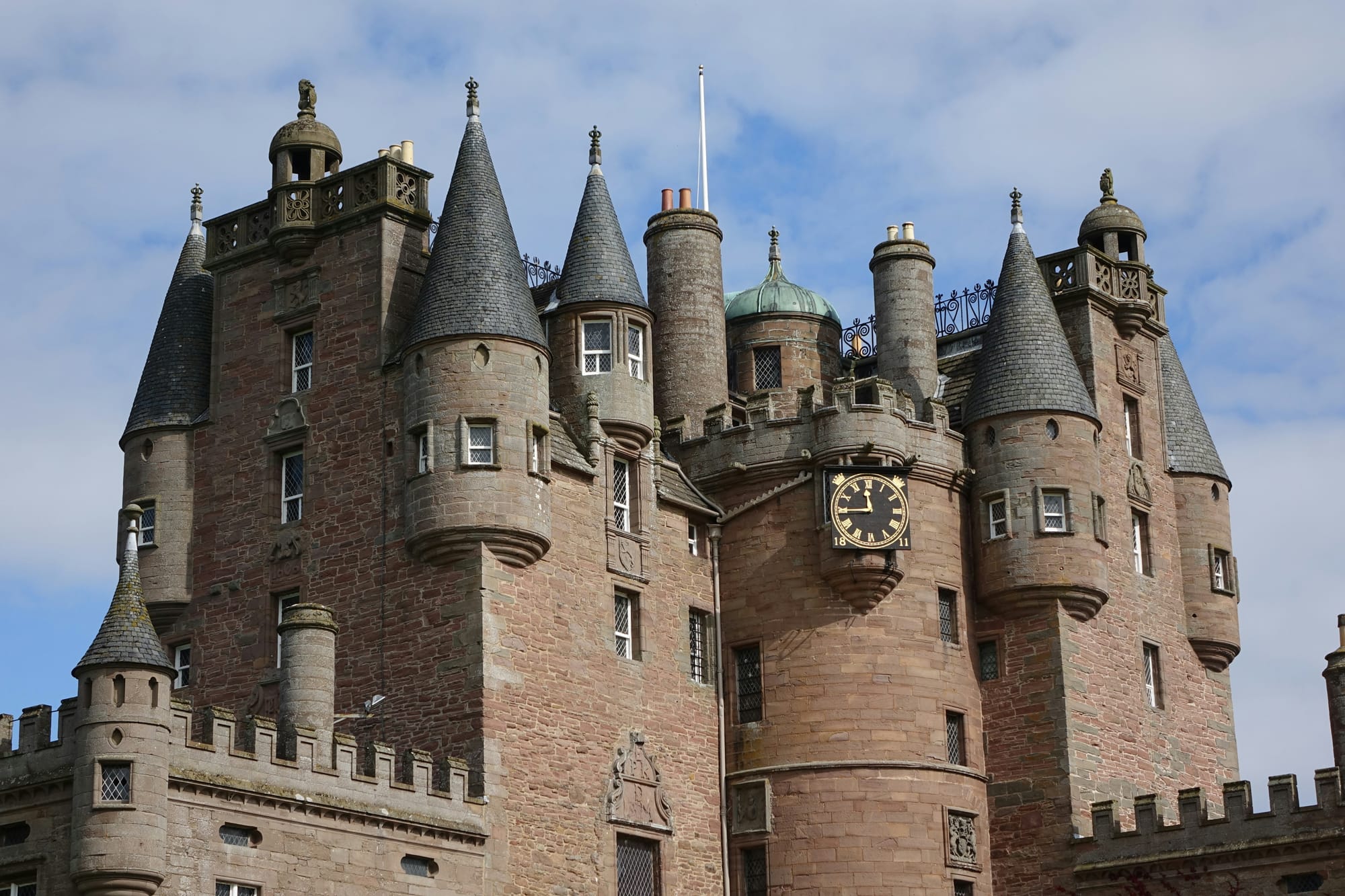
The pink sandstone fairy-tale pile with turrets and perfect gardens that looks like someone took a Disney castle and decided to make it even prettier. You drive up the long avenue and it hits you — this thing is almost too symmetrical, too charming, too easy on the eye for a place with its kind of history.
The interiors are grand and heavy – dark wood, portraits staring down at you with old eyes, rooms that smell faintly of polish and secrets that have never quite been aired. This was the childhood home of Queen Elizabeth, The Queen Mother. Shakespeare supposedly had it in mind when he wrote Macbeth. And then there are the stories the guides only half-tell: hidden rooms walled up for centuries, ghosts that refuse to leave, and the infamous “Monster of Glamis” — the deformed heir supposedly kept locked away so the family name wouldn’t be tainted.
You climb the narrow stairs and every creak feels loaded. The place looks like a dream from the outside and feels like something much darker once you’re inside. It’s the castle that smiles for the cameras and whispers something entirely different when no one’s listening.
Go if you can. The falconry displays are worth seeing when they’re on, and the gardens are genuinely beautiful. But the real reason to visit is the atmosphere. Stand in one of the long corridors when the light is low and you start to understand why some stories never quite die in a place like this.
Urquhart Castle
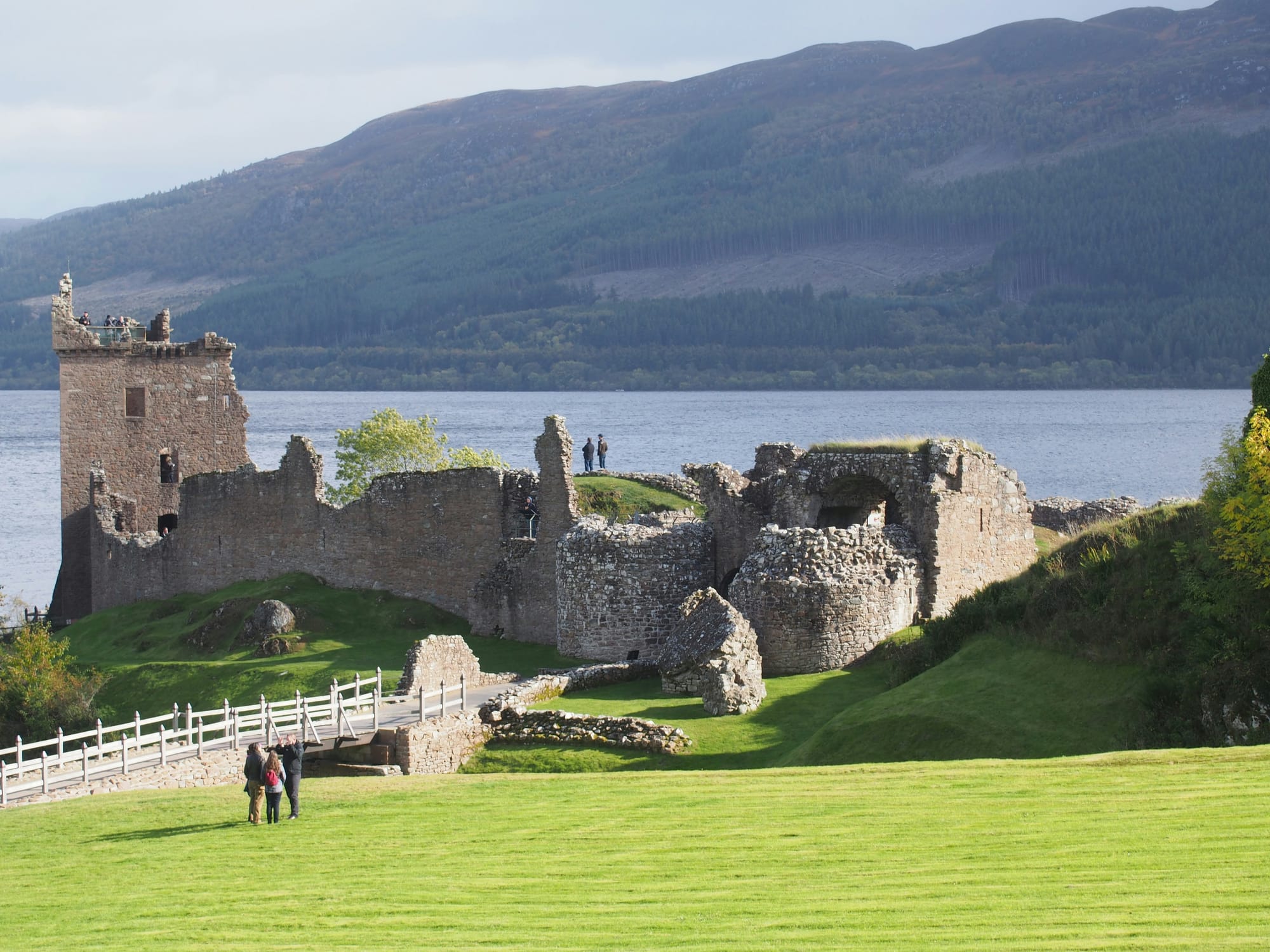
The broken-down ruin sits on the edge of Loch Ness like it’s been keeping watch over that black water for centuries. It has. You stand on what’s left of the tower and stare out at the loch, dark and still, and for a second you half-expect something to break the surface. The place doesn’t need to be intact to feel alive. The ruins do the job just fine.
I’ve been here on sunny days. I've been here on rainy days. I've been here on grey, misty days. Those are the best. That's when the clouds hang low and the whole scene looks like it belongs in an old ghost story. The walls are jagged and incomplete, the ground uneven under your boots, but the location is pure drama — crumbling stone, the loch stretching out forever, mountains rising behind it like they’re standing guard. This was a medieval stronghold, blown up during the Jacobite wars so the government could deny the clans a base. Clan Grant and MacDonald blood ran through these stones for generations.
The visitor centre does a decent job laying out the facts, but the real story is outside, in the silence between the ruins and the water. You can almost feel the weight of all the people who fought, hid, and died here. Nessie or no Nessie, something about this place makes you believe in monsters — or at least in the idea that some histories refuse to stay buried.
Combine it with a loch cruise if you have time. The view from the water makes the ruins look even more defiant. Go early or late to avoid the worst of the crowds. Wear decent shoes — the ground is uneven and can be slippery after rain. Bring a jacket. The wind off the loch has a bite.
This castle doesn’t try to impress you with polished rooms or fancy exhibits. It just sits there, half-destroyed and completely unforgettable, reminding you that some places earn their ghosts the hard way.
Dunrobin Castle
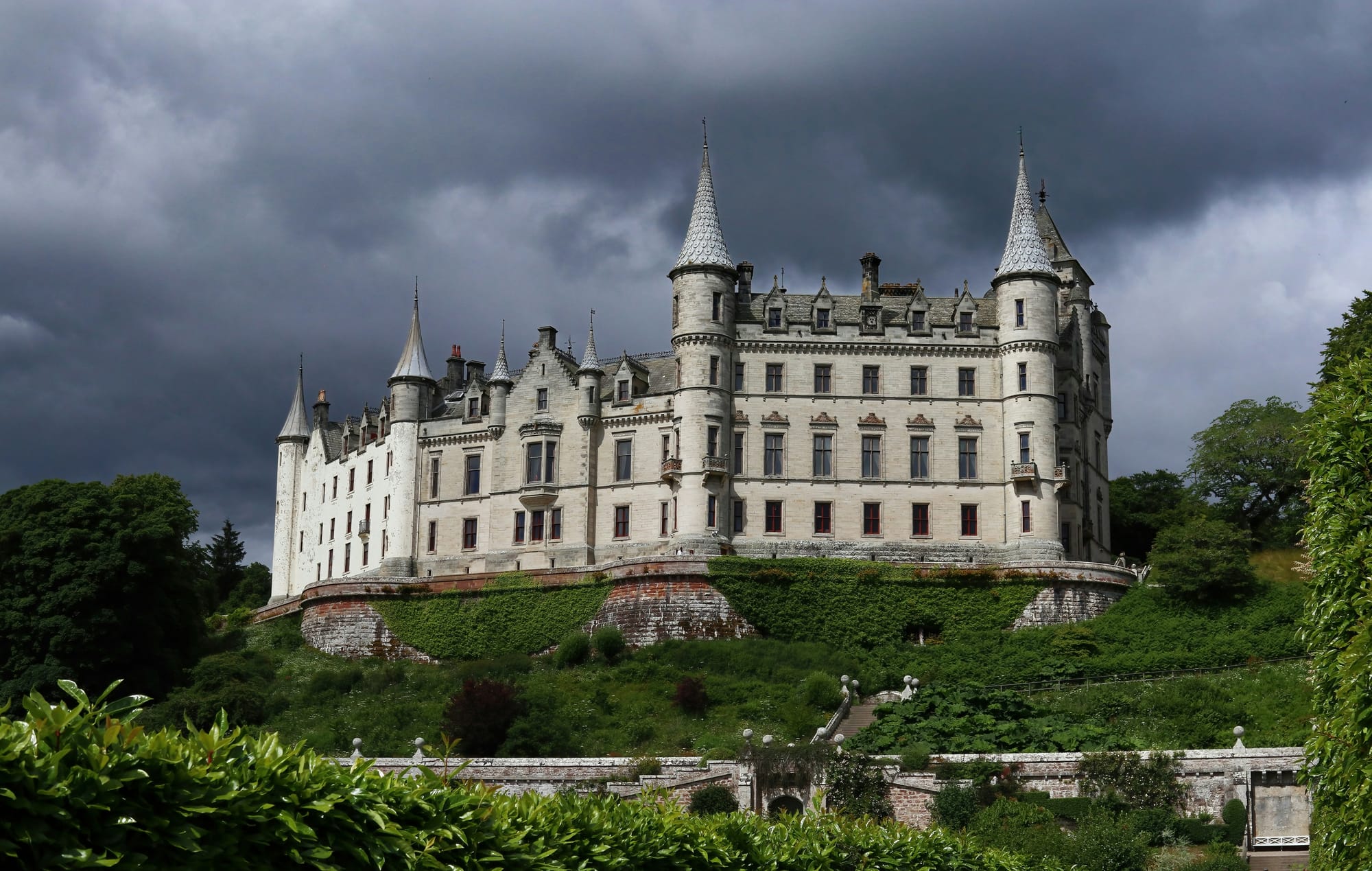
This one looks like it was kidnapped from the Loire Valley and dropped on the wild north coast of Sutherland just to mess with your expectations. Turrets, spires, manicured gardens rolling down to the sea — it’s absurdly pretty, almost French in its elegance, sitting there like it wandered into the wrong country and decided to stay anyway.
The whole place looks like a fairy tale someone forgot to finish. The interiors are lavish — heavy wood panelling, endless portraits of dukes and earls staring down at you with that quiet aristocratic smugness, rooms that smell faintly of old polish and older money. This has been the seat of the Sutherland clan for centuries, and they made sure everyone knew it.
But don’t let the ballroom and the formal gardens fool you. The history here is as hard as anywhere else in Scotland. The Sutherland Clearances — the forced evictions of thousands of tenant families to make way for sheep — started from this very estate. The beautiful façade hides a story of power, displacement, and cold calculation that still echoes in the local memory. Hell, the locals were so furious about it that as recently as 1994 they tried to dynamite the statue of the duke who ordered the clearances. That tells you everything you need to know about how deep the resentment still runs.
The real pull of those place is the contrast: it’s the castle that looks like a dream and forces you to remember it was built on someone else’s nightmare.